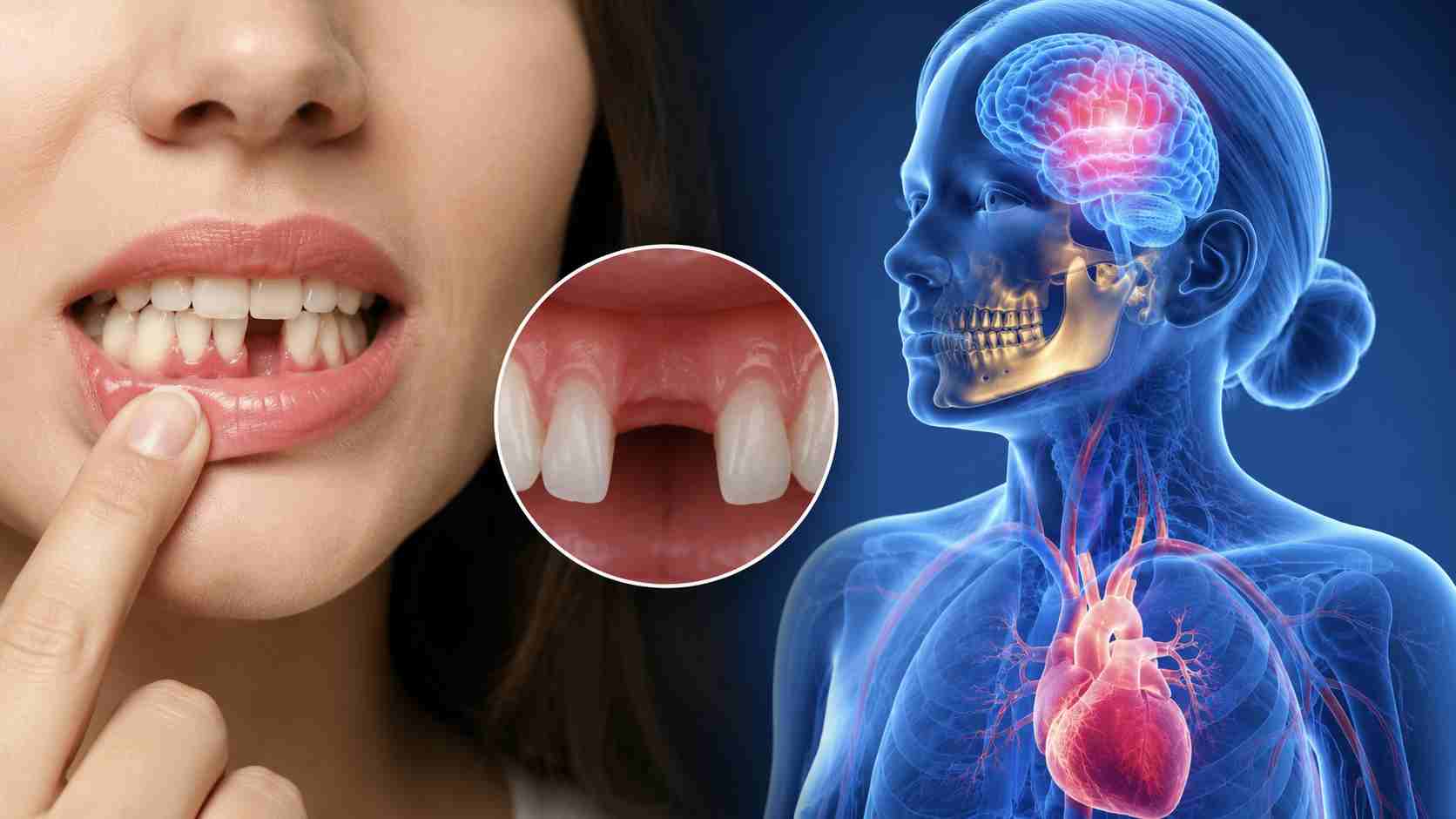
Losing a tooth can feel like a minor issue at first, but the effects of missing teeth extend far beyond aesthetics. Teeth are more than just a smile enhancer—they play a vital role in chewing, speaking, and maintaining the structure of your face. Ignoring missing teeth can lead to long-term oral health problems, as well as broader impacts on your overall well-being.
How Missing Teeth Affect Oral Health
One of the most immediate consequences of missing teeth is the effect on your bite and jaw alignment. Each tooth supports those around it, and when one is lost, the surrounding teeth can shift into the empty space. This movement can cause misalignment, leading to difficulties in chewing and increased wear on the remaining teeth. Over time, this imbalance may also contribute to temporomandibular joint (TMJ) disorders, resulting in jaw pain, headaches, and discomfort.
Missing teeth also make maintaining oral hygiene more challenging. Gaps in your teeth can trap food particles, making brushing and flossing less effective. This can increase the risk of tooth decay, gum disease, and other oral infections. In addition, the bone in the jaw that supported the missing tooth can start to deteriorate—a process called bone resorption. This not only affects the stability of neighboring teeth but also changes the shape of your jaw and face.
The Impact on Digestion and Nutrition
Teeth are essential for proper chewing, which is the first step in digestion. Missing teeth can make it difficult to break down food thoroughly, potentially leading to digestive problems. Over time, people with missing teeth may avoid certain foods, particularly those that are harder to chew, like raw vegetables, nuts, and lean meats. This dietary limitation can result in nutritional deficiencies, impacting energy levels, immunity, and overall health.
Speech and Communication Challenges
Even a single missing tooth can affect your ability to speak clearly. Teeth play a crucial role in forming certain sounds, and gaps in your teeth can result in slurred or mispronounced words. This may affect communication and, for some, confidence in social and professional settings. In severe cases, prolonged difficulty speaking may also contribute to psychological effects, including reduced self-esteem and social withdrawal.
Emotional and Psychological Effects
Beyond physical health, missing teeth can significantly affect emotional well-being. The appearance of your smile is closely linked to self-confidence, and tooth loss may cause people to hide their smiles or avoid social interactions. Over time, this can affect relationships, career opportunities, and overall quality of life. Addressing missing teeth not only restores oral function but can also improve confidence and emotional health.
Treatment Options and the Role of a Prosthodontist
Fortunately, modern dentistry offers a range of solutions for missing teeth. Depending on the situation, treatments may include dental implants, bridges, dentures, or partial dentures. Each option has its benefits, and a professional evaluation is necessary to determine the best solution for your individual needs.
A prosthodontist in Las Vegas, for example, specializes in restoring and replacing missing teeth, ensuring both functionality and aesthetics are maintained. They can assess your oral health, recommend appropriate treatments, and create customized solutions to restore your smile and bite effectively.
Prevention and Maintenance
While accidents and injuries are sometimes unavoidable, maintaining good oral hygiene and regular dental check-ups can help prevent tooth loss from decay or gum disease. Brushing, flossing, and using fluoride toothpaste, combined with a balanced diet and avoiding tobacco, all contribute to healthier teeth and gums.
Conclusion
Missing teeth are not just a cosmetic concern—they affect your oral health, digestion, speech, and emotional well-being. Addressing tooth loss promptly with professional guidance from a specialist, such as a prosthodontist, can prevent further complications and restore both function and confidence. Whether through dental implants, bridges, or dentures, replacing missing teeth is an investment in your health and quality of life.