
Dental anxiety is far more common than many people realise. For some, it is a mild feeling of unease before an appointment. For others, it can mean years of avoiding the dentist altogether. The result is often a cycle of postponement, followed by more complex treatment later on.
The reassuring reality is that modern dentistry is very different from the experiences many adults remember from childhood. Techniques, technology and patient care standards have advanced significantly. With the right approach, dental anxiety can be managed and, in many cases, gradually reduced.
Understanding Where Dental Anxiety Comes From
Dental anxiety can stem from several sources:
- A previous negative experience
• Fear of pain
• Embarrassment about the condition of teeth
• A feeling of loss of control
• Sensitivity to sounds, smells or clinical environments
For some patients, anxiety is linked to a specific memory. For others, it builds over time through avoidance. Recognising the source of the fear is often the first step towards overcoming it.
Importantly, dental professionals are trained to work with nervous patients. You will not be judged for feeling anxious, nor for how long it has been since your last appointment.
Start With A Conversation, Not Treatment
One of the most effective ways to reduce anxiety is to book a consultation without committing to immediate treatment. A first visit can simply involve meeting the dentist, discussing concerns and understanding what may be needed in the future.
This approach restores a sense of control. You are not agreeing to procedures on the spot. Instead, you are gathering information and building trust.
When researching practices, look for those that openly state they welcome nervous patients and allow time for discussion. Many modern private practices prioritise longer appointment slots precisely for this reason.
Choose The Right Environment
Environment plays a significant role in how relaxed you feel. Smaller, patient-focused clinics often provide a calmer atmosphere compared to busy, high turnover settings.
Consider:
- Appointment length
• Waiting times
• Communication style
• Online reviews mentioning nervous patients
Reading real patient experiences can be particularly reassuring. Many people describe how their anxiety was reduced once they found a dentist who explained procedures clearly and moved at their pace.
For example, practices such as DentaQuest in Somerset outline their approach to patient comfort and preventative care, helping prospective patients understand what to expect before they even walk through the door.
Ask For Clear Explanations
Fear often increases when there is uncertainty. Understanding exactly what will happen during an appointment can dramatically reduce anxiety.
A good dentist will:
- Explain each step before starting
• Agree on a stop signal if you need a break
• Discuss alternative options
• Outline likely sensations rather than leaving you guessing
You are entitled to ask questions. Clarity builds confidence.
Take Small Steps
If you have avoided the dentist for years, the idea of undergoing extensive treatment can feel overwhelming. Instead of focusing on everything at once, break the process down.
Step one might simply be a check-up.
Step two could be a hygiene appointment.
Only once you feel comfortable would you move on to any restorative or cosmetic work.
Small successes build positive associations, gradually replacing fear with familiarity.
Consider Modern Pain Management
A common concern is pain. Modern local anaesthetics are highly effective, and techniques have improved considerably over the past decade. In many routine treatments, patients report feeling pressure rather than pain.
If pain control is a particular worry, discuss this openly. Options may include:
- Topical numbing gel before injections
• Slow delivery techniques to reduce discomfort
• Staged appointments
• Sedation for more complex cases
Knowing these options exist can significantly reduce anticipatory fear.
Use Practical Relaxation Techniques
Alongside professional support, personal coping strategies can help on the day of your appointment:
- Deep, slow breathing
• Listening to music or a podcast through headphones
• Scheduling appointments earlier in the day to avoid prolonged anticipation
• Bringing a supportive friend or family member
Some patients also find that avoiding excessive online research before appointments prevents unnecessary worry.
Address Embarrassment Directly
Many anxious patients are less afraid of pain and more worried about judgement. It is common to feel self conscious about the condition of your teeth, particularly if you have not attended regularly.
Dentists are clinicians. Their role is to assess and treat, not criticise. Delaying further only increases the likelihood of more involved treatment later. Most dental teams are far more focused on helping you move forward than on how you arrived there.
Reframe The Appointment
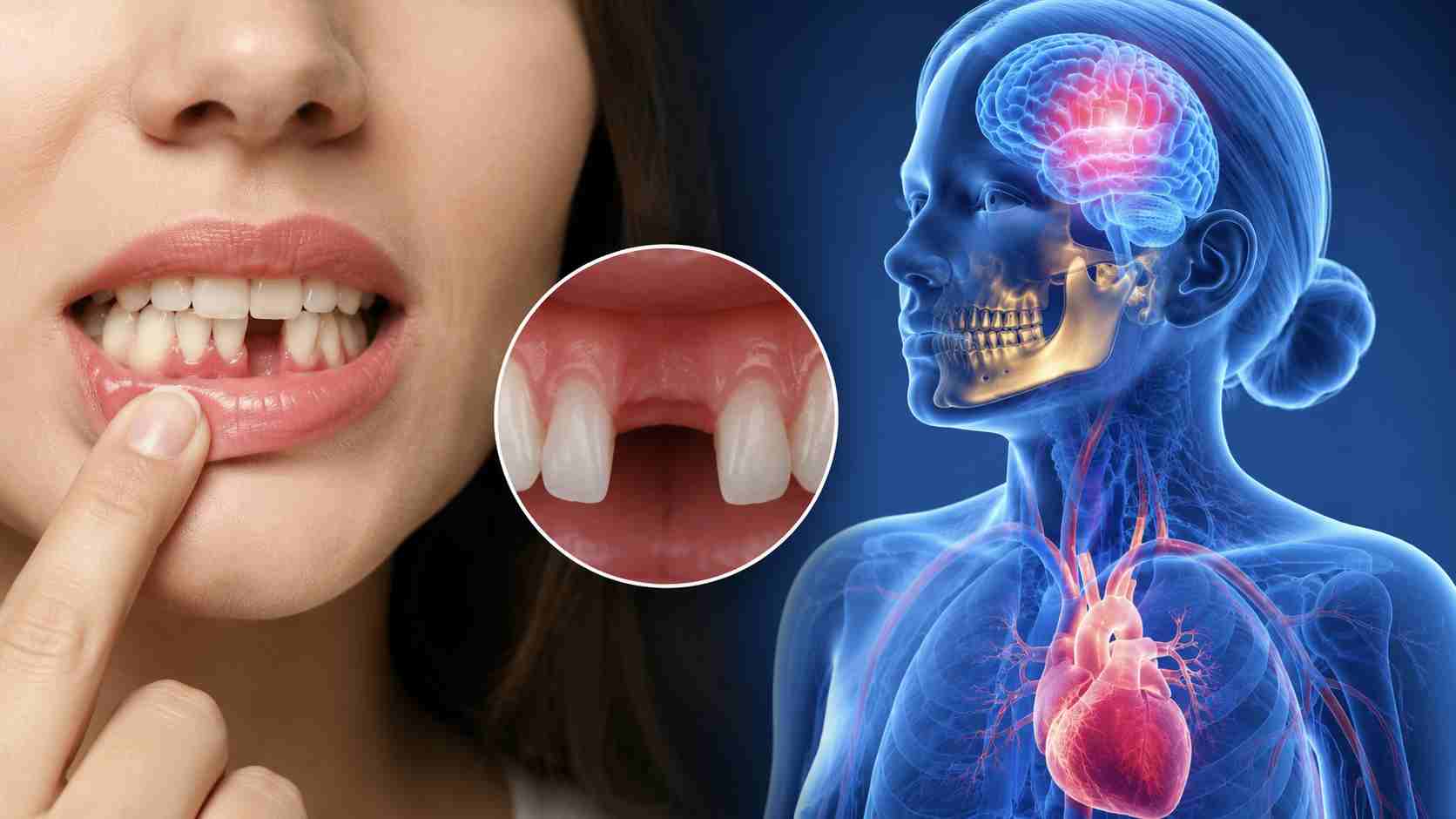
Rather than seeing dental visits as something to endure, it can help to reframe them as preventative health appointments. Good oral health affects more than just your smile. Gum health is linked to wider health factors, and maintaining it reduces the likelihood of emergency treatment.
When appointments become routine and preventative rather than reactive, anxiety often reduces naturally.
The Long Term Benefit
Overcoming dental anxiety is rarely instant. It is a gradual process built on positive experiences. Each successful visit makes the next one easier.
Choosing a practice that understands nervous patients, communicates clearly and offers flexible private appointments can make a substantial difference. For those based in Somerset or Bristol, learning more about local private options such as DentaQuest can be a helpful first step in identifying a setting that prioritises patient comfort as well as clinical standards.
Dental anxiety is manageable. With the right environment, open communication and a step by step approach, it is entirely possible to move from avoidance to confidence, and to protect both your oral health and overall wellbeing in the process.



Excellent article! Dental anxiety is something that prevents many people from seeking timely treatment, so it’s great to see practical strategies explained in such a clear and reassuring way. Building trust, communicating openly with patients, and creating a comfortable environment can make a significant difference. As professionals working in healthcare technology and digital solutions, we’ve seen how modern tools and patient-focused communication also help improve the overall patient experience. Thanks for sharing such valuable insights!