



If you have spent any time on social media, you have probably seen the phrase “internet chicks.” It shows up in memes, forum threads, search bars, and comment sections. Some people use it affectionately. Others use it carelessly. Plenty of people simply do not know what it refers to.
This guide explains what “internet chicks” means, where the phrase came from, the kinds of women it usually describes, the platforms where they build audiences, how they earn a living, and the very real challenges they face. We also look at why some people dislike the term and what the future of online creator culture may look like.
Whether you are a curious reader, a marketer researching creators, a brand looking for partnerships, or a woman thinking about building an audience online, this article gives you a clear, practical, and respectful overview.
What Does “Internet Chicks” Mean?
“Internet chicks” is an informal, slang phrase. In everyday use it refers to women who are visible, active, or well known through online platforms. That can include social media influencers, YouTubers, streamers, bloggers, podcasters, online entrepreneurs, gamers, artists, and community leaders.
It is important to be honest about one thing: the phrase is casual and loosely defined. There is no official definition, no dictionary entry that everyone agrees on, and no single community that owns it. Its meaning depends heavily on who is using it and in what context.
In most modern, mainstream uses, the phrase points to three overlapping ideas:
- Online visibility. The woman is known primarily because of what she shares or builds on the internet rather than through traditional media such as television or film.
- Direct audience relationships. She interacts with followers through comments, live streams, direct messages, newsletters, or community spaces.
- Personal branding. She presents a recognizable identity, voice, or niche, whether that is beauty, comedy, education, fitness, gaming, finance, or something else entirely.
Because the phrase is informal, this article uses it mainly as a search term people recognize, while describing the women behind it with more precise words such as “creators,” “influencers,” and “online entrepreneurs.” We come back to that language question later.
Is “Internet Chicks” a Single Group?
No, and this is the most common misunderstanding. Women online are as varied as women offline. A teenager posting study tips, a stay-at-home parent running a recipe blog, a professional esports player, a nurse sharing health education, and a small-business owner selling handmade goods may all be lumped under the same casual label even though they have almost nothing in common.
Treating them as one uniform group leads to stereotypes. Treating them as individuals with different goals, skills, and boundaries is more accurate, more respectful, and far more useful if you are trying to understand or work with them.
A Short History: From Chat Rooms to Short-Form Video
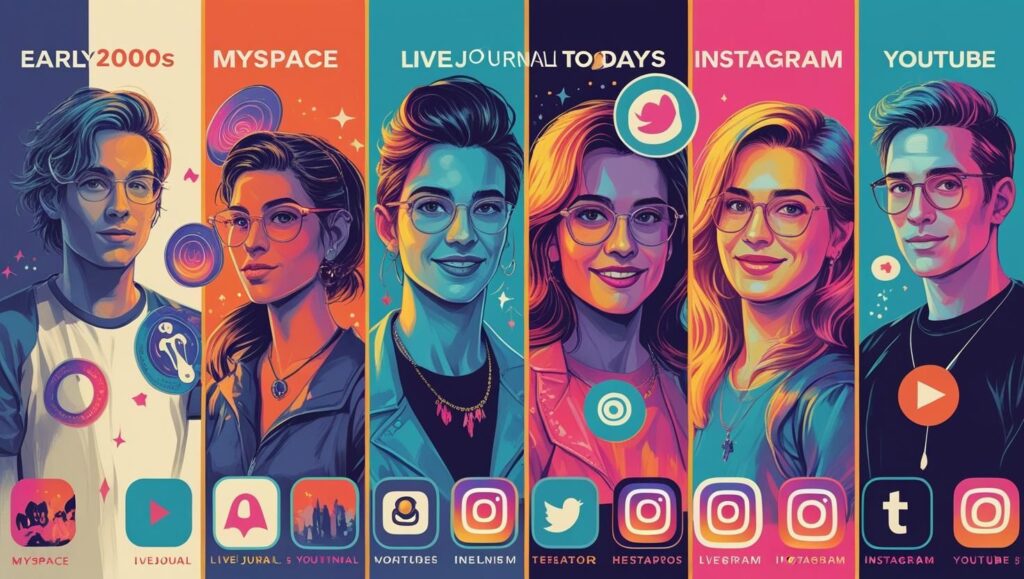
The story of women building visibility online is as old as the public internet itself. Understanding it helps explain why the phrase exists at all.
The Early Web: Forums, Chat Rooms, and Personal Pages
In the 1990s and early 2000s, the internet was text-heavy and community-driven. Women (and everyone else) gathered in message boards, email lists, IRC channels, and chat rooms. Personal homepages and early blogging platforms let people publish diaries, opinions, and creative writing for the first time without needing a publisher.
Many early online communities were small and tightly knit. Reputation was built through writing quality, helpfulness, and humor. In those spaces, women who were active and well known inside a community often became recognizable names, and the casual shorthand for them was born in forum culture.
The Social Network Era
When platforms such as MySpace, early Facebook, and Flickr arrived, identity became more visual. Profile customization, photo sharing, and friend counts turned social presence into something measurable. For the first time, ordinary people could accumulate audiences in the thousands without any gatekeeper approval.
The YouTube and Blogging Boom
YouTube launched in 2005 and quickly became a launchpad for creators. Makeup tutorials, comedy sketches, lifestyle vlogs, DIY projects, and commentary channels turned individual women into recognizable media brands. Blogging also matured into a legitimate business model, with affiliate links and sponsored posts funding full-time careers.
This was the period when the idea of an “online personality” shifted from hobbyist to professional. Brands noticed that audiences trusted creators who felt relatable, and marketing budgets began moving from traditional advertising toward creator partnerships.
Instagram, Twitch, and the Influencer Economy
Instagram, launched in 2010, made aesthetics central to online influence. Fashion, travel, wellness, and home design creators built highly curated feeds. Meanwhile, live-streaming on platforms like Twitch opened a different path: real-time entertainment, gaming, and community interaction where audience support could arrive instantly through subscriptions and tips.
The TikTok and Short-Form Era
Short-form video changed the rules again. Instead of rewarding only established follower counts, recommendation-driven feeds can push a new creator’s video to millions of people overnight. This lowered the barrier to entry and sped up the cycle of trends, which is one reason the phrase “internet chicks” appears so often in current search behavior and online conversation.
Today, women creators operate across many platforms simultaneously, often building owned channels such as email newsletters and websites so they are not entirely dependent on any one app’s algorithm.
Common Types of Internet Chicks
Because the label is so broad, it helps to break it into practical categories. Real creators often overlap several of these.
1. Lifestyle and Fashion Creators
These creators share outfits, routines, travel, home décor, and daily life. Their strength is relatability and visual consistency. Many partner with brands for sponsored content and affiliate sales.
2. Beauty and Wellness Creators
From skincare education to makeup tutorials, this category is one of the oldest and largest on YouTube and Instagram. The most trusted creators in this space tend to be transparent about sponsorships and open about product limitations.
3. Gamers and Streamers
Women in gaming build audiences through live streaming, competitive play, and community moderation. They often navigate additional scrutiny and harassment, which makes community management a core professional skill.
4. Educators and Explainers
Science communicators, language teachers, financial educators, and study-tip creators have found huge audiences online. This group often has the strongest long-term trust because their value is knowledge rather than appearance.
5. Entrepreneurs and Small-Business Owners
Many women use social platforms to sell products directly, such as jewelry, clothing, digital templates, courses, or services. For them, the audience is a customer base, and content is a marketing engine.
6. Writers, Podcasters, and Newsletter Creators
Not all online influence is visual. Podcasters, bloggers, and newsletter authors build loyal followings through voice and ideas. These formats often convert well because readers and listeners spend longer with the creator.
7. Artists, Musicians, and Performers
Illustrators, singers, dancers, and comedians use platforms to find audiences that traditional industries might have overlooked. Social media can function as a portfolio, a stage, and a storefront at once.
8. Advocates and Community Builders
Some women use their platforms to raise awareness about mental health, disability, body image, workplace rights, or other causes. They build communities that offer information and mutual support.
Where Internet Chicks Build Their Audiences
Each platform rewards different strengths. Smart creators choose based on their content style rather than chasing every trend.
YouTube
YouTube remains the strongest platform for long-form, searchable video. Videos can keep earning views for years because people search for tutorials, reviews, and explanations. It also offers one of the most established revenue-sharing programs.
Instagram combines photos, short videos, and stories. It is especially strong for fashion, food, travel, fitness, and small-business discovery. Direct messaging makes it easy for brands and followers to reach creators.
TikTok
TikTok’s recommendation system gives new creators a real chance of being discovered. Humor, trends, quick tips, and behind-the-scenes content perform especially well. The tradeoff is that attention moves fast, and a viral video does not always translate into a loyal audience.
Twitch and Live Streaming
Live streaming is about presence and personality. Viewers return for the community as much as the content. Revenue comes from subscriptions, tips, and sponsorships.
Often overlooked, Pinterest works like a visual search engine. Recipe, craft, home, wedding, and fashion creators can drive steady traffic to blogs and stores from pins that stay relevant for months.
Blogs, Websites, and Newsletters
Owned platforms matter because algorithms change. A website and an email list give a creator a direct line to her audience that no platform can switch off. For SEO-minded creators, a blog also brings in free search traffic over time.
Discord and Private Communities
More creators are moving their most engaged followers into private communities. Smaller, moderated spaces tend to feel safer and produce more meaningful conversation than public comment sections.
How Online Women Create Influence and Trust
Follower count is only a small part of influence. The creators who last tend to share a handful of habits.
Consistency
Posting on a reliable schedule teaches the audience when to expect new content. Consistency does not require daily posting. It requires a rhythm the creator can sustain without burning out.
A Clear Niche and Voice
People follow creators who offer something specific. A clear topic and a recognizable tone make it easy for viewers to decide whether to subscribe. Over time, the niche can widen, but starting focused helps.
Two-Way Engagement
Unlike traditional celebrities, online creators talk with their audience. Replying to comments, running Q&A sessions, and responding to feedback builds loyalty that algorithms cannot manufacture.
Authenticity Within Limits
Audiences value honesty, but authenticity does not mean sharing everything. The healthiest creators decide in advance what stays private, such as family details, home address, or daily location, and they protect those boundaries.
Transparency About Money
Trust collapses quickly when sponsored content is hidden. In the United States, the Federal Trade Commission expects creators to clearly disclose paid partnerships and material connections to brands. Creators who label sponsorships plainly protect both their audience and their own reputation.
Expertise and Credibility
The creators who rank well in search and keep audiences for years usually show real experience: they test products, cite sources, correct mistakes publicly, and explain how they reached their conclusions.
How Internet Chicks Make Money
Online influence can become a real income, but it rarely arrives from a single source. Most professional creators combine several revenue streams.
Platform Ad Revenue
Video platforms share a portion of advertising revenue with eligible creators. Earnings vary widely depending on audience size, location, niche, and viewer engagement.
Brand Sponsorships
Brands pay creators to feature products or services. Rates depend on audience size, engagement, niche, and deliverables. Long-term partnerships usually pay better and feel more natural than one-off posts.
Affiliate Marketing
Creators earn a commission when followers buy through a tracked link. This works well for educators, reviewers, and bloggers who recommend products they actually use.
Subscriptions and Memberships
Supporter programs let fans pay a monthly fee for bonus content, early access, or community perks. This model rewards loyalty and gives creators more predictable income.
Digital Products and Courses
Templates, ebooks, presets, workshops, and online courses let creators monetize expertise at scale. Once created, these products can sell repeatedly without much extra work.
Physical Products and Merchandise
Some creators launch their own brands, from apparel to beauty to home goods. This is higher risk but can generate the strongest long-term business value.
Speaking, Consulting, and Freelance Work
Visibility often opens offline doors: speaking invitations, consulting contracts, book deals, and freelance commissions.
A Realistic Note on Income
It is worth being honest here. Many creators earn little or nothing, especially in the first year. A small number of people earn very large incomes. Anyone considering this path should treat it as a business that takes time, testing, and patience rather than a guaranteed shortcut to wealth.
The Challenges Nobody Sees
The polished surface of social media hides a demanding reality. Women who build public profiles often face challenges that others do not.
Online Harassment
Women creators receive disproportionate abuse in many online spaces, including insults, threats, unwanted sexual messages, and coordinated pile-ons. This is not a minor inconvenience; it can affect mental health, safety, and willingness to keep posting.
Privacy and Doxxing
When a creator becomes well known, strangers may try to find her real address, workplace, or family details. Publishing personal information about someone without consent is harmful and, in many places, illegal.
Impersonation and Fake Accounts
Scammers frequently copy creators’ photos and names to deceive followers or sell fake products. Creators must monitor for impostors and report them quickly.
Burnout and Algorithm Pressure
Platforms reward frequent posting, yet constant output is exhausting. Sudden algorithm changes can erase months of growth, creating financial and emotional stress.
Comparison and Mental Health
Curated feeds can distort self-image, both for creators and for viewers. Many creators speak openly about anxiety, perfectionism, and the pressure to appear flawless.
Unequal Scrutiny
Women online are often judged on appearance, tone, or personal life in ways male creators are not. This double standard remains a persistent complaint across platforms.
Safety Tips for Creators and Fans
Safety is a shared responsibility. These practical steps protect both the women who create content and the communities around them.
For Creators
- Separate public and private life. Use a business email, a P.O. box if needed, and avoid posting real-time location.
- Turn on two-factor authentication on every account and use a password manager.
- Set comment filters and block lists so abusive messages never reach you.
- Check photos for hidden details such as street signs, house numbers, or reflective surfaces before posting.
- Keep records of harassment. Screenshots and links help when reporting to platforms or authorities.
- Read contracts carefully before signing brand deals, especially clauses about usage rights and exclusivity.
- Build a support network of fellow creators, friends, or professionals you can lean on.
For Fans and Followers
- Respect boundaries. A public profile is not an invitation to personal access.
- Never share private information about a creator, even if you think it is harmless.
- Beware of impersonators. Real creators rarely ask followers for money or gift cards through direct messages.
- Report abuse when you see it rather than scrolling past.
- Be kind in the comments. A thoughtful message can mean more than you realize.
Staying Safe When Meeting People Online
If you are connecting with anyone you met online, verify identity before sharing personal details, avoid sending money, use video calls before in-person meetings, and tell a trusted person where you are going. If something feels wrong, trust that instinct.
Why the Term Is Debated

Not everyone is comfortable with the phrase “internet chicks.”
Critics argue that “chicks” is a casual, sometimes dismissive word for adult women, and that attaching it to “internet” can flatten accomplished people into a stereotype. Writers who use it as a keyword often do so only because it is a popular search phrase, not because it is the most respectful description.
Supporters say the phrase can be playful and affectionate, especially when used within communities of women who chose it themselves. Language that feels insulting from a stranger can feel friendly from a peer.
A useful rule: let people describe themselves. If a woman online calls herself a creator, streamer, founder, artist, or educator, use that title. Context, tone, and respect matter more than the label.
For brands and publishers, more precise terms such as “women creators,” “female influencers,” or “online entrepreneurs” also tend to be clearer and more professional.
The Future of Women in Online Culture
Several trends are likely to shape the next few years.
Diversified Platforms
Creators are spreading their presence across video, audio, newsletters, and private communities so no single algorithm controls their income.
Smaller, Safer Communities
More audiences are shifting toward moderated groups where conversation is more thoughtful and abuse is easier to manage.
Creator-Owned Businesses
Instead of relying only on sponsorships, many creators are launching products, software, courses, and media companies of their own.
Stronger Transparency Rules
Regulators and platforms continue to tighten expectations around advertising disclosure, deceptive endorsements, and AI-generated content. Creators who adopt honest practices now will be better positioned later.
AI Tools and Authenticity
Generative AI is already changing how content is written, edited, and animated. It also raises new concerns about deepfakes and fake endorsements. As synthetic media becomes common, audiences will likely place even more value on verified, real, human voices.
Professionalization
Talent agencies, creator unions, legal resources, and mental-health support are becoming more common, signaling that online creation is increasingly recognized as a genuine profession.
Frequently Asked Questions
What does “internet chicks” mean?
It is an informal phrase generally used for women who are visible or influential through online platforms such as social media, video sites, streaming services, blogs, and podcasts. The meaning varies by context and the phrase has no official definition.
Is “internet chicks” an offensive term?
It depends on who says it and how. Some people consider it casual or playful, while others find it dismissive. Using specific, respectful titles such as “creator” or “streamer” is usually safer.
How do women become popular online?
Most successful creators choose a clear niche, publish consistently, engage with their audience, learn platform tools, and give viewers genuine value. Growth often takes months or years rather than days.
How do internet creators earn money?
Common income sources include ad revenue, brand sponsorships, affiliate commissions, memberships, digital products, merchandise, and speaking or consulting work. Most use several streams together.
Is it safe to be a public creator online?
It can be, but it requires planning. Strong account security, privacy boundaries, moderation tools, and a support network reduce the risks of harassment, doxxing, and impersonation.
Do I need a lot of followers to start earning?
Not necessarily. Small audiences with strong trust can convert better than large, passive ones. Niche expertise often matters more than raw follower count.
Do creators have to disclose sponsored content?
In the United States, the Federal Trade Commission expects clear disclosure when a creator has a material connection to a brand, such as payment or free products. Other countries have their own rules, so creators should check local regulations.
What platforms are best for beginners?
It depends on your strengths. Video-oriented people may start on YouTube or TikTok, writers on blogs or newsletters, and visual creators on Instagram or Pinterest. Starting with one platform and doing it well is better than spreading too thin.
Final Thoughts
“Internet chicks” may be an informal phrase, but behind it is a real and growing story: women using digital tools to share ideas, build businesses, create communities, and shape modern culture. They are educators, entertainers, founders, artists, and advocates, and they deserve to be seen as individuals rather than as a single stereotype.
If you are a reader trying to understand this world, remember that every online profile belongs to a real person with boundaries, goals, and a life beyond the screen. If you are a woman thinking about building your own presence, focus on a clear niche, protect your privacy, be transparent with your audience, and build assets you control. And if you are a brand or publisher, choose respectful language and fair partnerships.
The internet is a public space that belongs to everyone. The more thoughtfully we use it, the better it becomes for all of us.