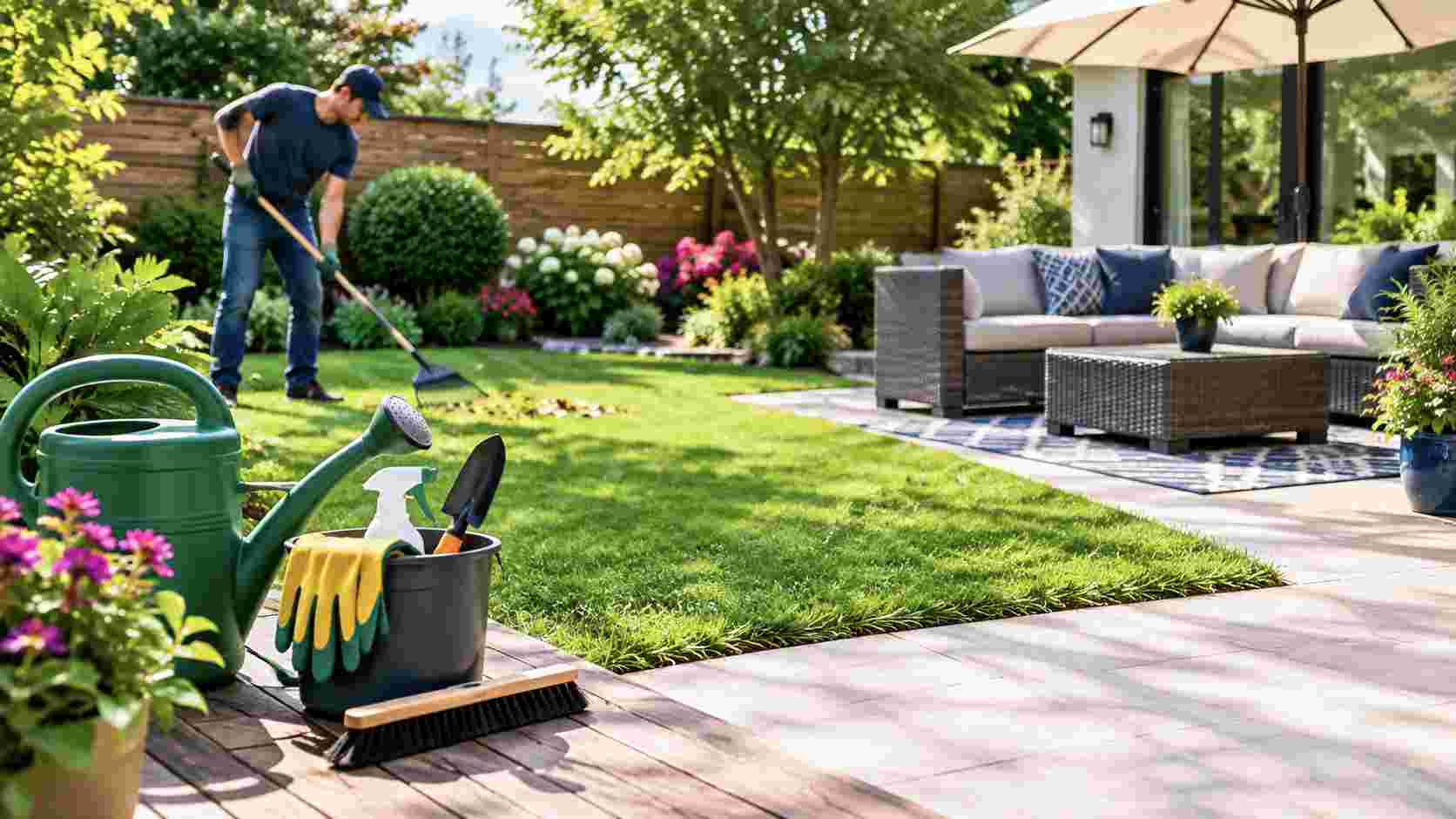
A clean outdoor space can transform your yard, patio, balcony, or garden into a comfortable extension of your home. However, outdoor areas are constantly exposed to weather, dirt, leaves, moisture, insects, and everyday wear. A consistent maintenance routine can keep these spaces attractive, functional, and ready for relaxation. With a few practical habits, you can spend less time dealing with messes and more time enjoying your surroundings.
Keep Outdoor Areas Free of Debris
Regularly removing leaves, twigs, grass clippings, fallen flowers, and other debris is one of the easiest ways to keep an outdoor space looking neat. Organic material can accumulate quickly, particularly after storms or windy weather. If left unattended, it can create damp areas, stain surfaces, block drains, and make certain parts of your yard less inviting.
Sweep patios, decks, walkways, porches, and other hard surfaces regularly. Remove debris from corners and underneath outdoor furniture, where it can be easy to overlook. If your property has drainage grates or outdoor drains, keep them clear so rainwater can move away efficiently.
Do not allow piles of leaves or yard waste to remain directly against exterior walls for extended periods. Keeping the perimeter of your home clean can improve its appearance while reducing places where moisture and unwanted pests may accumulate.
Maintain a Regular Cleanup Schedule
Instead of waiting for debris to become overwhelming, establish a simple schedule. Quick cleanups once or twice a week can make larger seasonal cleaning projects much easier. After strong winds or heavy rain, perform an additional inspection and remove anything that has accumulated.
Care for Your Lawn, Plants, and Garden
Healthy landscaping can make an outdoor area more attractive while creating a pleasant environment for spending time outside. Mow grass regularly and avoid allowing it to become excessively overgrown. Keep garden beds maintained by removing dead leaves, weeds, and damaged plant material.
Prune shrubs and trees when needed to keep pathways, windows, outdoor seating areas, and structures accessible. Branches that become too close to buildings can create maintenance concerns, particularly during storms. Removing dead or weak growth can also help keep your landscaping looking tidy.
Water plants according to their needs and local conditions. Avoid excessive watering, which can leave areas unnecessarily wet and contribute to drainage problems. Check your yard after watering or rainfall to identify places where water consistently pools.
Choose Practical Landscaping
When planning or updating an outdoor space, consider how much maintenance different plants and surfaces require. Selecting plants suited to the local climate can make long-term care easier. Grouping plants with similar water requirements can also help simplify irrigation.
Keep plants from becoming so dense that they obstruct airflow or make cleaning difficult. A well-organized landscape can provide beauty without creating unnecessary maintenance work.
Clean and Protect Outdoor Furniture
Outdoor furniture is exposed to sunlight, rain, dust, pollen, and temperature changes. Regular cleaning can help preserve its appearance and make seating areas more comfortable. Wipe tables, chairs, benches, and other furniture periodically to remove accumulated dirt.
Check cushions and fabric surfaces for moisture, stains, or signs of wear. Allow damp items to dry thoroughly before storing them. When severe weather is expected, move lightweight furniture to a protected area or secure it appropriately.
Inspect furniture for loose screws, damaged surfaces, rust, cracks, or unstable legs. Repair or replace damaged components before they become safety concerns. Maintaining furniture regularly can also help extend its useful life.
Keep Storage Areas Organized
If you have a shed, storage box, or other outdoor storage area, keep tools and supplies organized. Store gardening equipment securely and avoid leaving sharp or hazardous objects where children or visitors could encounter them.
An organized storage area makes outdoor maintenance faster because essential tools are easier to locate. It also reduces clutter across patios, decks, and walkways.
Clean Patios, Decks, and Walkways
Hard outdoor surfaces can accumulate dirt, algae, pollen, food residue, and other buildup. Regular sweeping can prevent loose debris from becoming embedded in surfaces. For more substantial buildup, use an appropriate cleaning method for the material being treated.
Wooden decks require particular attention because excessive moisture and neglected surfaces can contribute to deterioration. Inspect boards for cracks, splinters, discoloration, or signs of damage. Follow appropriate care recommendations for the type of decking installed.
Walkways and steps should also be inspected regularly. Remove moss, leaves, and other slippery material, especially from shaded or damp areas. Repair uneven surfaces and address cracks when necessary to reduce trip hazards.
Clean After Outdoor Gatherings
If you regularly entertain guests outside, clean the area soon after gatherings. Remove food scraps, empty containers, and disposable items promptly. Wipe tables and cooking surfaces and check beneath furniture for forgotten waste.
Quick cleanup reduces lingering odors and helps prevent outdoor areas from becoming attractive to insects and other unwanted visitors.
Manage Outdoor Waste and Food Properly
Trash and food waste can quickly make an outdoor space less enjoyable. Keep garbage containers closed and place them in an appropriate location away from frequently used seating areas. Empty outdoor bins regularly, especially during warm weather.
If you compost, maintain the composting area according to appropriate guidelines and keep it away from structures when practical. Avoid leaving uncovered food, sugary drinks, pet food, or scraps outside for long periods.
When hosting outdoor meals, clean spills as soon as possible. Even small amounts of food or beverages can attract insects. A clean eating area makes outdoor gatherings more comfortable and reduces unnecessary cleanup later.
Keep Pet Areas Clean
If pets use your yard, remove waste regularly and keep designated areas maintained. Clean outdoor pet bowls frequently and avoid leaving uneaten food outside.
Keeping pet-related waste and food under control can contribute to a cleaner yard and help reduce odors and unwanted activity.
Prevent and Address Unwanted Pests
Outdoor areas naturally attract insects and other wildlife, but certain conditions can encourage excessive activity. Standing water, overgrown vegetation, uncovered garbage, food scraps, and piles of organic debris can all contribute to an environment that is more attractive to pests.
Inspect your outdoor space regularly for nests, holes, droppings, damaged plants, or unusual insect activity. Check areas around sheds, fences, rooflines, outdoor structures, and other sheltered locations. Avoid disturbing unknown nests, particularly if you suspect they contain stinging insects.
If you discover a wasp nest in a location that creates a safety concern, avoid approaching it unnecessarily. Professional wasp removal services in Kansas City can help address established nests while reducing the risk of stings and helping determine whether additional preventive measures are appropriate.
Reduce Conditions That Attract Insects
Keep food and beverages covered during outdoor gatherings and clean up spills promptly. Remove standing water from containers, clogged drains, plant saucers, and other areas where it may collect.
Maintain vegetation around patios and outdoor seating areas so that plants do not become excessively dense. A tidy landscape can make it easier to spot nests, standing water, or other potential problems.
Maintain Outdoor Lighting
Outdoor lighting improves visibility and can make patios, walkways, entrances, and gathering areas more enjoyable after sunset. However, lighting fixtures also require occasional cleaning and inspection.
Remove dust, cobwebs, leaves, and other debris from accessible fixtures. Check that lights are securely mounted, and that damaged components are repaired appropriately. Keep pathways and steps adequately illuminated to make movement around the property safer.
Avoid allowing vegetation to completely cover outdoor lights. Trimming nearby plants can help maintain effective illumination while keeping the area looking organized.
Balance Lighting and Outdoor Comfort
Consider where lights are positioned in relation to seating areas. Excessively bright or poorly positioned lighting can make an outdoor space less comfortable. Use appropriate lighting levels for pathways, entrances, dining areas, and relaxing spaces.
Prepare for Changing Weather
Weather can have a major impact on outdoor spaces. Before periods of heavy rain, inspect drains, gutters, outdoor furniture, and structures. Remove loose objects that could move during strong winds and check for branches that may pose a risk.
During hot weather, monitor plants for signs of heat stress and provide appropriate watering. Protect outdoor furniture and cushions from prolonged exposure when necessary. In cooler or wetter periods, pay closer attention to moisture, mold, slippery surfaces, and drainage.
Seasonal preparation does not need to be complicated. A quick inspection before significant weather arrives can help you identify potential problems and protect outdoor investments.
Perform Seasonal Deep Cleaning
Set aside time a few times each year for more thorough outdoor maintenance. Clean furniture, wash appropriate surfaces, inspect structures, organize storage, trim landscaping, and clear accumulated debris.
Breaking these tasks into seasonal projects makes them easier to manage than attempting to complete every maintenance job at once.
Create an Outdoor Maintenance Routine
The best way to maintain a clean outdoor space is to turn upkeep into a routine. Assign specific tasks to particular days or weeks so maintenance becomes a predictable part of household life.
A basic weekly routine might include sweeping hard surfaces, removing visible debris, checking outdoor furniture, and cleaning up after meals. Monthly tasks can include inspecting drainage, trimming plants, checking structures, and cleaning less frequently used areas.
Keep track of repairs and maintenance that require professional attention. Addressing small issues early can prevent them from becoming larger and more expensive problems.
Make the Space Easy to Maintain
An enjoyable outdoor space should not require constant effort. Choose practical furniture, storage solutions, plants, and surfaces that fit your available time and resources. Keep frequently used tools accessible, but store them securely when they are not needed.
Most importantly, focus on consistency rather than perfection. A few minutes of maintenance throughout the week can make a noticeable difference in the appearance, cleanliness, and usability of your outdoor area.
Conclusion
Maintaining a clean and enjoyable outdoor space is easier when you combine regular cleaning, thoughtful landscaping, proper waste management, furniture care, pest prevention, and seasonal preparation. Simple habits such as clearing debris, managing moisture, inspecting outdoor structures, and keeping gathering areas tidy can prevent small problems from growing. With consistent upkeep, your yard or patio can remain a welcoming place to relax, entertain, and enjoy throughout the year.