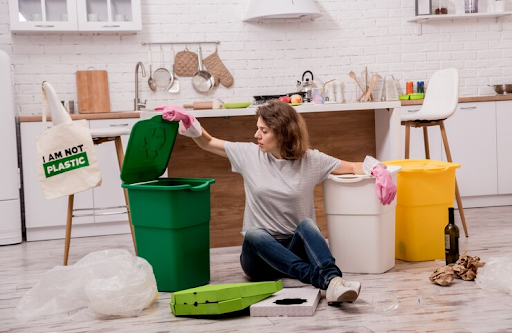
Many people consider household garbage to be an inevitable byproduct of contemporary life, with the majority of it ending up in landfills. While numerous home objects can be dealt with through standard trash procedures, others, if not handled appropriately, represent serious threats to human well-being and the environment. Long-term harm can result from hazardous waste leaking harmful substances into the air, water, and soil.
It’s critical to recognise which household objects need to be disposed of with extra caution to preserve our ecosystems and guarantee safety. We’ll look at some of the most popular hazardous household trash products in this post, explaining why they’re dangerous and how to properly dispose of them either yourself or through a professional pink skip hire.
How to Get Rid of Hazardous Household Waste (HHW) Correctly
Any unwanted or leftover substance which poses a risk to people, animals, or the natural world when mishandled is considered hazardous household waste (HHW). It comprises garbage that is poisonous, caustic, flammable, toxic, or otherwise dangerous.
Automotive fuels and goods like antifreeze and petrol, paint-related goods like thinners, varnish and strippers, yard and landscaping supplies like pesticides and poisons and electronics-related products like batteries as well as fluorescent lightbulbs are a few typical examples of hazardous waste.
Electronic Trash
Whenever common electronic products are thrown out, the term “e-waste” is used since many of them include lead, copper, or other heavy metals. E-waste is not the same as ordinary garbage that goes to the landfill. It’s because these things are easily recycled as well as reused, in addition to the fact that the components in them have the potential to pollute groundwater and soil and bring harm to the environment.
Donating working gadgets to a charity or other organisation which takes in donated items is the first step towards getting rid of them. The e-waste can be recycled if it is not useful as a functional gadget. However, a unique recycling procedure is required, and it starts with a charge that is applied at the point of sale.
Chemicals:
Never dispose of strong home cleansers such as bleach, insecticides, solvents, or caustic chemicals in the garbage. Since chemicals tend to cause harm to persons, the environment, and water.. They must always be handled with the utmost caution. Fortunately, you may get rid of your chemical residue using some legal alternatives. Take them to a household hazardous waste centre for proper disposal if you won’t be using them all.
Batteries
Batteries such as button cell, 9-volt, AAA, AA, C, & D, despite their modest size, are highly concentrated in lead, mercury, and cadmium. If you throw your batteries in the trash, they end up in a landfill or incinerator wherein their casing may break down and release chemicals, often in significant amounts.
Batteries may appear little, yet they represent a significant environmental risk. The greatest method to remove these dangerous compounds from the environment is to recycle them. It is possible to reuse and repurpose the majority of the chemicals included in batteries to create new ones.
Paints and Cleaners
Paint thinner, oil-based paint, lead-based paint, and various other such items should not be disposed of with conventional trash. These goods have the potential to leach into the earth, contaminating septic tanks & groundwater. If they come into contact with a sanitation worker, they may also physically harm them. Never dispose of wet paint in the trash.
Chemical Pesticides
Pesticides, whether they are liquid, spray, granule, or chemical, ought to go in the trash. If pesticides are not properly disposed of, they can damage people, animals, as well as plants. Pesticides should not be disposed of in the trash or down the toilet, sink or sewer drain. Chemical waste services, like chemical recycling or specialised disposal methods, are frequently needed for pesticides.
Gas and Oil
You cannot dispose of oil and gas items in a skip, including motor oil, lubricants, fuel & petroleum. Because they are combustible, caustic, & hazardous, these materials should be kept apart from your other trash. Petrol dumping is prohibited practically everywhere.
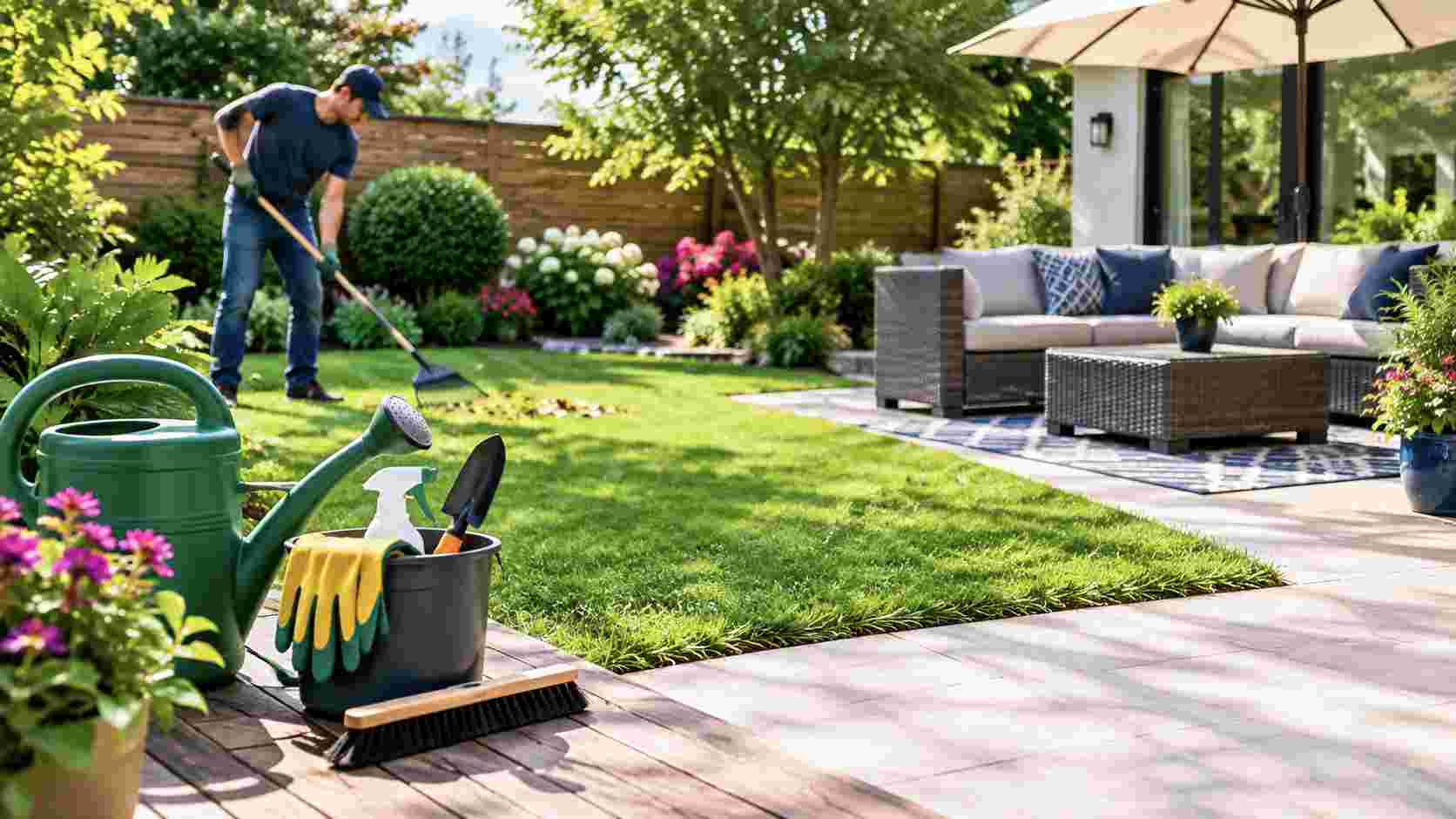
Yard Trash
Additionally, you shouldn’t throw yard garbage in the dumpster, including branches, leaves, and grass. Although it might seem like a victimless crime to toss away garden debris. Doing so wastes valuable landfill space when such things could be used more effectively as compost.
Conclusion
Hazardous home trash disposal is not merely required by law in many areas. But it is also an essential part of maintaining public well-being and the environment. If disposed away irresponsibly, materials including batteries, electronics, chemicals, especially prescription drugs can have detrimental long-term impacts.
Visit internet-chicks to read more informative blogs.