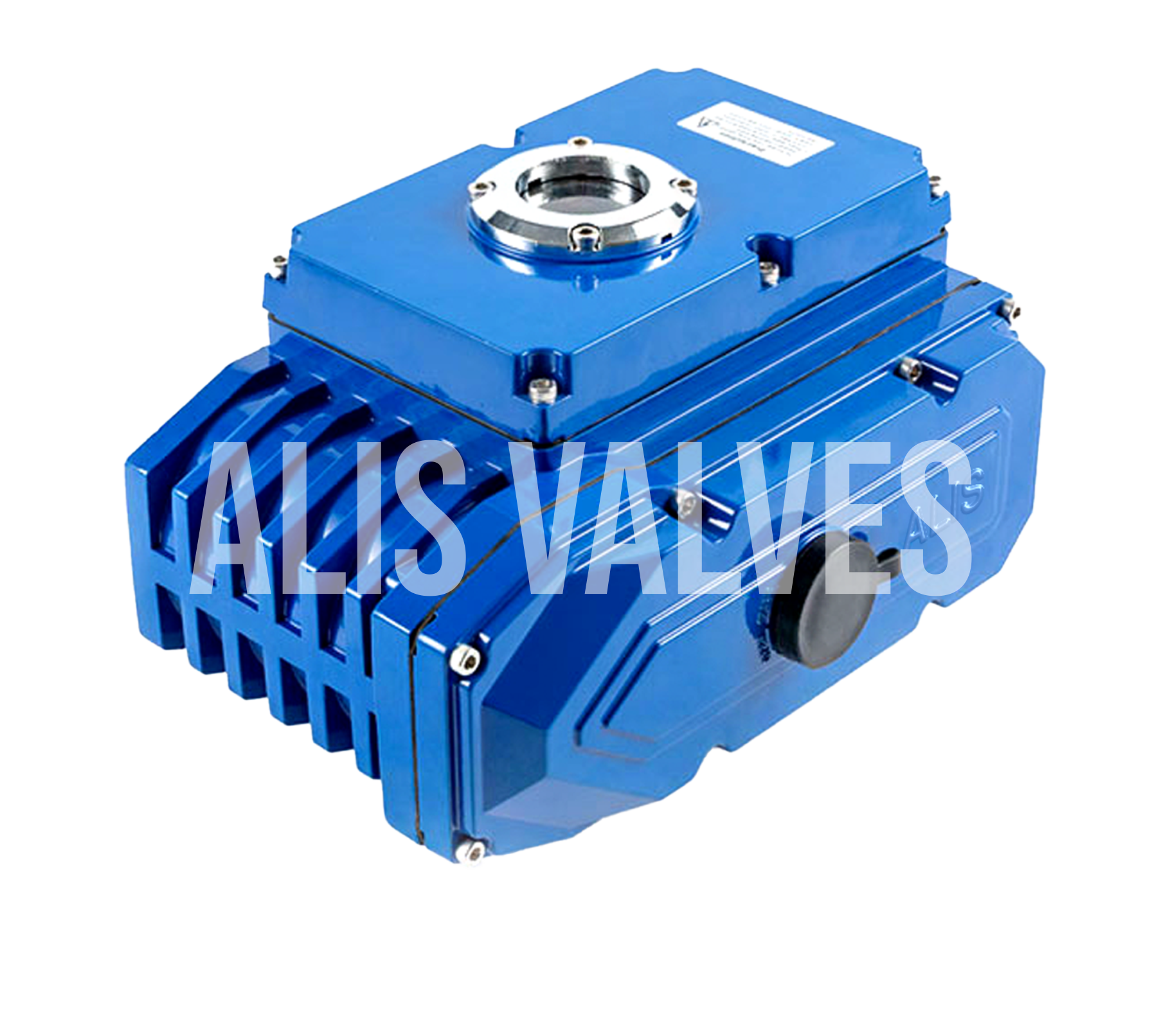
Actuated valves play a pivotal role in industrial automation, controlling the flow of gases, liquids, and other materials in industries such as oil and gas, power generation, water treatment, manufacturing, and more. As automation technologies evolve, so too do the actuators that drive these valves. The two dominant types of actuator technologies—electric and pneumatic—are constantly being refined to meet the demands of modern industry, balancing the need for precision, efficiency, and reliability.
In this article, we will explore the future of actuated valves in Industrial Valves, focusing on innovations and emerging trends in electric and pneumatic actuator technologies. By understanding the strengths of each technology and their evolving capabilities, industries can make more informed decisions about which actuator technology will best suit their needs for the long term.
The Evolving Role of Actuated Valves in Industrial Automation
As industries worldwide embrace automation, actuated valves have become essential in optimizing the performance and safety of systems. Whether regulating the flow of natural gas in pipelines, controlling water flow in municipal treatment plants, or adjusting steam in power plants, actuators are the linchpins of modern industrial systems.
The choice between electric and pneumatic actuators often depends on several factors, including the need for precision, speed, cost, and environmental constraints. However, with rapid advancements in both technologies, the decision is becoming more nuanced, and the future promises even greater potential in terms of energy efficiency, smart integration, and operational flexibility.
Electric Actuator Technologies: Enhanced Precision and Control
Electric actuators are known for their precision and ability to integrate seamlessly with digital control systems. Over the past decade, electric actuator technology has advanced significantly, driven by the need for greater energy efficiency, higher torque output, and easier integration with industrial control systems.
Emerging Trends in Electric Actuator Technology
- Smart Actuators with IoT Integration: The rise of the Industrial Internet of Things (IIoT) has allowed electric actuators to become “smarter.” These actuators can now be connected to control networks, providing real-time feedback on valve position, performance, and potential maintenance issues. By using predictive analytics, these smart actuators can alert operators to potential failures before they occur, minimizing downtime and improving system reliability.
- Energy Efficiency and Sustainability: As industries look for ways to reduce their carbon footprint, electric actuators are being designed with more energy-efficient motors and control algorithms. New electric actuators consume less energy while maintaining high torque output, making them ideal for applications where both precision and sustainability are essential.
- Modularity and Scalability: Modern electric actuators are becoming increasingly modular, allowing for easy upgrades and customization. This flexibility ensures that electric actuators can adapt to a wide variety of applications and operational conditions, from small precision tasks in pharmaceutical manufacturing to large-scale operations in energy production.
- Improved Safety and Fail-Safe Features: Electric actuators are now being developed with enhanced safety features, including built-in fail-safe mechanisms. These systems ensure that, in the event of a power failure or system malfunction, the actuator will default to a pre-programmed safe position, minimizing the risk of accidents or system damage.
Pneumatic Actuator Technologies: Reliability and Power in Tough Conditions
Pneumatic actuators have long been valued for their durability, high-speed operation, and ability to perform well in harsh environments. While they may not offer the same level of precision as electric actuators, pneumatic systems excel in industries where reliability and robust performance are critical.
Innovations Driving Pneumatic Actuator Technologies
- Advanced Materials for Longevity: One of the most significant advancements in pneumatic actuator technology is the development of new materials that enhance durability and reduce maintenance. Modern pneumatic actuators are now constructed from lightweight, corrosion-resistant materials, allowing them to operate in extreme environments—such as offshore oil rigs, chemical plants, and mining operations—where they may be exposed to chemicals, high temperatures, or abrasive substances.
- Hybrid Actuation Systems: The future of pneumatic actuators may include hybrid systems that combine pneumatic power with electric controls. These hybrid systems provide the robustness of pneumatic actuation while offering the precision and control typically associated with electric actuators. Hybrid systems are particularly advantageous in industries where both high force and fine control are required.
- Energy Optimization: Historically, pneumatic actuators have been criticized for their energy inefficiency due to the need for constant air compression. However, new developments in air compression technology, such as energy recovery systems, are improving the efficiency of pneumatic systems. By capturing and recycling exhaust air, pneumatic actuators can now operate with significantly reduced energy consumption, making them more attractive to industries seeking to minimize operational costs and environmental impact.
- Enhanced Control Systems: Pneumatic actuators are becoming increasingly intelligent, with digital positioners and controllers that allow for more accurate control of valve position. These systems enable better integration with automated control systems, allowing operators to monitor and adjust valve performance with greater ease.
Challenges Facing Actuator Technologies
Despite the significant advancements in both electric and pneumatic actuators, several challenges remain.
- Balancing Cost with Performance: While electric actuators offer excellent precision and control, they often come with a higher upfront cost compared to pneumatic systems. For industries where cost is a primary concern, pneumatic actuators may remain the preferred choice. However, as electric actuator technology becomes more affordable and energy-efficient, the gap between the two is narrowing.
- Environmental Considerations: Electric actuators can be sensitive to environmental conditions, such as high humidity, extreme temperatures, or exposure to corrosive substances. While pneumatic actuators are more robust in harsh environments, they can be less efficient in terms of energy consumption. Finding ways to improve the environmental resilience of electric actuators while optimizing the efficiency of pneumatic systems will be key to their future development.
- Customization and Flexibility: The future of actuated valves will likely see increased demand for customizable solutions. Industries will require actuators that can be tailored to their specific needs, whether it’s for high-precision applications or heavy-duty operations. Both electric and pneumatic technologies are evolving to meet this demand, but ensuring that these systems are flexible and adaptable will be critical.
The Future of Actuated Valves: A Hybrid Approach?
As electric and pneumatic actuator technologies continue to evolve, it’s likely that the future of actuated valves will involve a hybrid approach, leveraging the strengths of both technologies. For example, in applications requiring both high force and precision control, hybrid systems combining pneumatic power with electric fine-tuning may become the standard.
Moreover, with the increasing integration of IIoT and smart automation systems, actuators—whether electric, pneumatic, or hybrid—will be able to communicate seamlessly with broader industrial control systems, offering real-time insights and predictive maintenance capabilities.
Conclusion
The future of actuated valves is bright, with both electric and pneumatic actuator technologies advancing to meet the evolving needs of modern industry. Electric actuators are becoming more precise, energy-efficient, and easier to integrate with smart systems, while pneumatic actuators are improving in durability, energy optimization, and control.
As industries push toward greater automation, sustainability, and operational efficiency, the choice between electric and pneumatic actuators—or a combination of both—will be driven by the specific requirements of each application. By staying ahead of these technological developments, businesses can ensure that their valve systems are ready to meet the challenges of tomorrow.