Introduction
An integral part of industrial operations, waste management guarantees that companies follow rules, reduce their environmental effect, and increase operational efficiency. Growing industries should fulfill their obligation to control the waste they generate in an eco-friendly and cost-effective manner. Covering the whole waste generating process, recycling, and sustainable resource use. This thorough article explores the best practices in waste management for industries. Minimizing waste, enhancing safety, and encouraging environmental responsibility inside industries depend on these methods.
Best Practices in Waste Management for Industries
Implementing the Waste Hierarchy: Reduce, Reuse, Recycle
Emphasizing waste reduction at the source, the waste hierarchy offers a methodical way to manage waste sustainably. Five layers comprise this model: prevention, minimization, reuse, recycling, and disposal.
- Reduce: This is the most recommended method as it emphasizes lowering waste creation by means of better production techniques and more effective use of resources.
- Reuse: Encourage, whenever feasible, the reuse of resources such as the renovation of machinery or the rework of packaging materials.
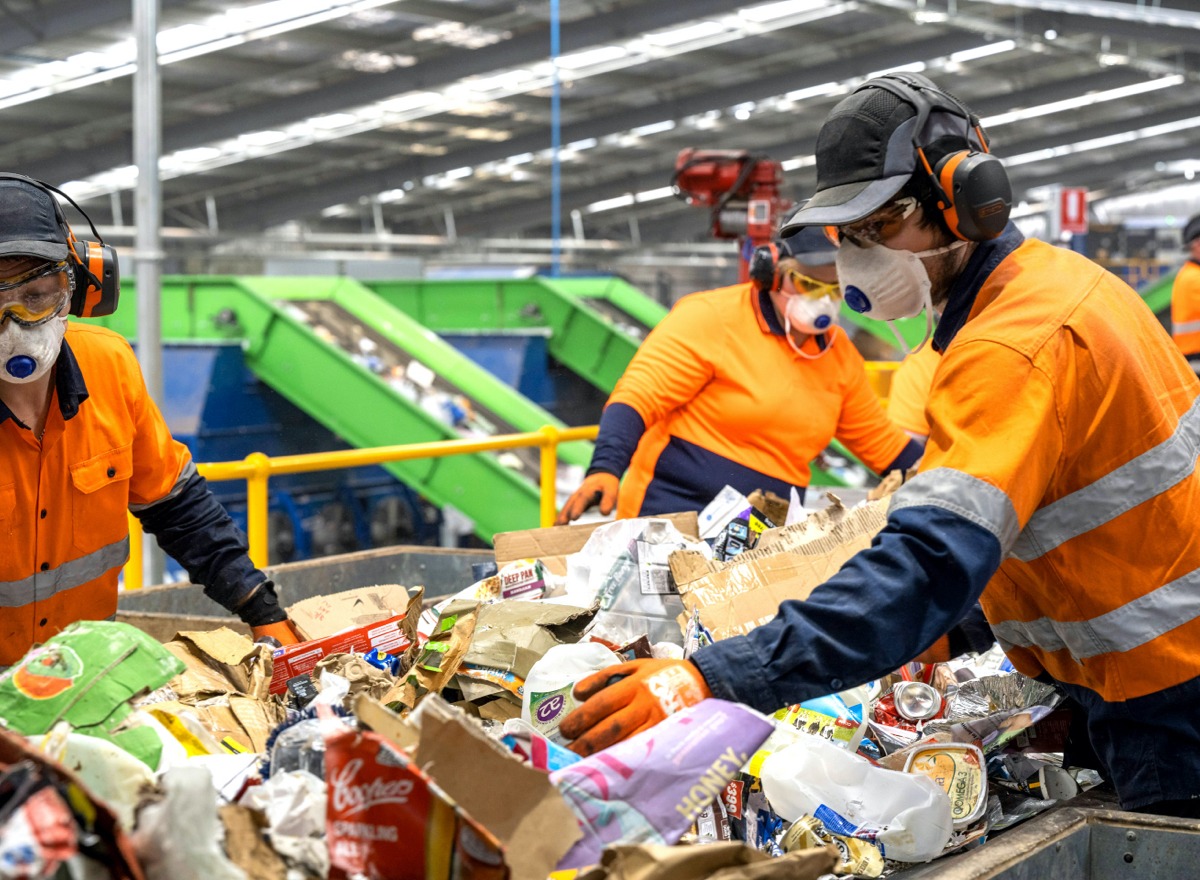
- Recycle: Invest in recycling infrastructure to send items including glass, plastics, paper, and metal away from landfills. Further improving these initiatives is cooperation with recycling facilities.
- Energy Recovery: By means of incineration, anaerobic digestion, or gasification, transform waste into energy. This guarantees that non-recyclable waste nevertheless fulfills a useful function.
- Disposal: The least desired choice is disposal in landfills or incineration without energy recovery; so, it is advisable to avoid both if at all feasible. Skip hire Lathom is providing the best of these waste management services.
Developing a Comprehensive Waste Management Plan
Setting objectives, establishing procedures, and allocating tasks inside a company all depend on a well-organized waste management strategy. This strategy should specify the kinds of waste produced, guidelines for correct waste management and disposal, and strategies for gradually lowering waste. Furthermore defining roles and duties will help to guarantee responsibility at all levels. Industries may set clear standards for waste reduction, recycling objectives, and compliance with local, national, and worldwide rules by creating and following a complete waste disposal strategy.
Adopting Sustainable Procurement Practices
A proactive method of waste disposal, sustainable procurement emphasizes on buying goods and resources with less effect on the surroundings. This entails choosing vendors that give sustainability first priority, cutting packaging waste, and locating recyclable, biodegradable, or environmentally friendly components. Through “take-back” arrangements with suppliers, industries can also recycle or reuse packaging and unwanted materials. Industries may lower the waste produced straight from the supply chain by including sustainability into procurement procedures, therefore supporting a more circular economy.
Maximizing Resource Recovery through Circular Economy Principles
Emphasizing maintaining resources in use for as long as feasible, getting maximum value from them, and finally recovering and rejuvenating materials at the end of their life cycle, the circular economy stresses Using circular economy ideas can help industries greatly lower waste and close the resource usage cycle. Industries can use closed-loop systems, for instance, whereby resources are constantly recycled or repurposed, therefore lowering the demand for raw material extraction and the waste generated. Innovative ideas include water recycling, material recovery from waste streams, and utilizing byproducts in other industrial processes also constitute part of resource recovery.
Employee Training and Engagement in Waste Management Practices
Every level of the company’s employees must be involved in order for a waste management program to be successful. Staff members should be taught in employee training courses the value of appropriate waste segregation, recycling practices, and environmental effect of waste. Furthermore covered in regular training courses are improvements to waste disposal procedures and legal obligations. Apart from official instruction, encouraging a sustainable culture inside the company helps staff members to become responsible for waste disposal strategies. Encouragement of staff members via incentive systems for waste reduction or creative ideas proposals would help to increase involvement even further.
Conclusion
Good waste management in industries is an ongoing, changing process needing the combination of sustainable methods, cutting-edge technologies, and best practices. Industries may reduce their environmental effect, comply with rules, and increase operational efficiency by implementing a waste hierarchy. Creating thorough waste management strategies, using technology, and so building a culture of sustainability. Waste management has bright future prospects for a more sustainable. Resource-efficient society as sectors keep innovating and embracing circular economy ideas. Visit internet chicks for more informative articles.