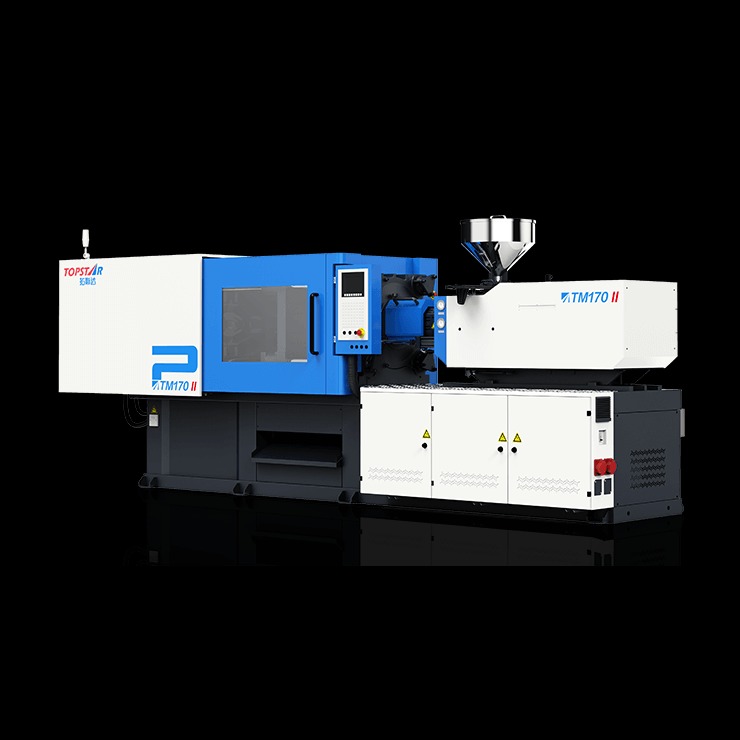
According to Plastics Technology and Mold Manufacturing Technology, global injection molding machines lose an average of 8-12% of productivity annually due to inefficient screw recovery or poor plasticizing performance. When an injection molding machine’s screw recovers slowly, the entire production cycle is delayed, increasing unit costs, reducing output, and affecting part consistency. The screw recovery phase of a plastic injection molding machine is critical to ensuring the proper amount of molten material is ready for the next shot. If this phase takes longer than expected, it may indicate a deeper mechanical, thermal, or material issue within the machine.
Improper Barrel Temperature Control Causes Slow Screw Recovery in Injection Molding Machine
One of the most common causes of slow screw recovery in an injection molding machine is improper or inconsistent barrel temperature control. During the plasticizing process, the resin must melt evenly throughout the barrel to maintain optimal viscosity and flow. When the temperature of one or more barrel heating zones falls below the target, the resin partially melts or becomes too viscous, forcing the screw to rotate harder and generating backpressure. Faulty thermocouples, worn heaters, or poor insulation around the barrel often cause these temperature fluctuations. Incorrect temperature settings can also cause temperature fluctuations when switching between resins with different melting properties.
Solution: Regularly check and calibrate temperature sensors. Incorrect readings can cause temperature zones to deviate by up to ±10°C, enough to affect plasticizing efficiency. Also, ensure the correct heat profile is established throughout the barrel—for most thermoplastics, this typically increases gradually from the feed zone to the nozzle. Use appropriate insulation and heat shields to minimize heat loss and maintain stable temperatures during continuous operation.
Incorrect backpressure settings can affect injection molding machine screw recovery.
Backpressure plays a crucial role in homogenizing the melt and removing trapped air during screw rotation. However, if the backpressure in a plastic injection molding machine is too high, the screw requires greater torque and time to retract, significantly slowing the screw recovery cycle.
Conversely, too little backpressure can lead to poor mixing and inconsistent melt density, resulting in undershot or quality defects downstream. Finding the right balance is crucial for both recovery speed and part consistency.
Solution: Optimize the backpressure setting based on the resin type. For most common resins, the ideal range is 5-15 bar. Additionally, avoid unnecessarily high back pressure unless required for color mixing or enhanced material distribution. Modern injection molding machines utilize closed-loop pressure control systems that automatically adjust back pressure based on material viscosity and melt temperature. Properly adjusted back pressure enhances melt uniformity while allowing the screw to reposition faster, improving overall cycle efficiency.
Worn Injection Molding Machine Screw or Barrel Components Lead to Slow Recovery
Aging or wear of components within the plasticizing unit can significantly reduce screw recovery speed. Over time, continued operation causes wear between the screw flights and the barrel wall. This wear increases the gap between them, leading to melt leakage or “backflow” during screw rotation.
When excessive backflow occurs, the screw must rotate longer to accumulate the same shot volume, effectively extending recovery time. This condition also affects melt quality, temperature uniformity, and injection pressure consistency.
The solution is to inspect the screw and barrel dimensions during regular maintenance. Compare them to the original specifications to determine if wear exceeds 0.1 mm. When processing glass-filled or flame-retardant plastics, upgrade to wear-resistant materials such as bimetallic barrels or nitrided screws. Additionally, adhere to a preventative replacement schedule. Replacing severely worn screws every 15,000-20,000 hours can prevent significant downtime.
Delayed recovery due to insufficient motor torque or drive system failure
The screw’s speed and torque are directly powered by the machine’s hydraulic or servo-electric drive system. When the drive motor, pump, or gearbox fails, the screw may not receive sufficient torque to rotate effectively, slowing the metering stage.
Hydraulic plastic injection molding machines often experience this problem due to low hydraulic oil pressure, pump wear, or filter clogs. Electric models can experience torque loss due to motor overheating or servo calibration drift. Check hydraulic oil pressure and condition. Change filters and oil regularly to ensure stable flow and sufficient torque output. Also, check motor performance logs to ensure the servo system is operating within the manufacturer’s torque specifications. Also, ensure drive alignment and coupling integrity. Misalignment between the motor and screw shaft can create unnecessary drag.
Slow screw recovery in injection molding machines can be caused by improper screw design or material compatibility.
Screw design itself can directly impact recovery efficiency. Screws are designed with specific compression ratios, pitch depths, and mixing sections to match the resin type. When the material processed by a plastic injection molding machine doesn’t match the screw design, plasticizing performance suffers.
For example, using a general-purpose screw to process high-viscosity materials like polycarbonate or glass-reinforced nylon often results in incomplete melting and prolonged recovery times. Similarly, a screw with a worn or poorly designed mixing section can trap unmelted particles, reducing output. Therefore, screw geometry should be matched to the resin type. For engineering resins and color mixing, a dedicated screw should be used. Additionally, before changing materials, consult the injection molding machine manufacturer to confirm the suitability of the screw. If material changes are frequent during production, consider using a dual-purpose or general-purpose screw. When screw design and material behavior are correctly matched, melt preparation becomes faster, recovery cycles are shortened, and overall machine efficiency is significantly improved.
Faster Screw Recovery through Data-Driven Optimization
Slow recovery of an injection molding machine is more than just an operational inconvenience; it is a critical indicator of machine health, process efficiency, and product quality. Our internal data shows that customers who implement regular screw inspections, temperature calibration, and optimized plasticizing parameters can reduce recovery time by up to 25% and increase overall production efficiency by 15%. As a professional injection molding machine manufacturer, we incorporate these principles into our equipment design and after-sales technical support.