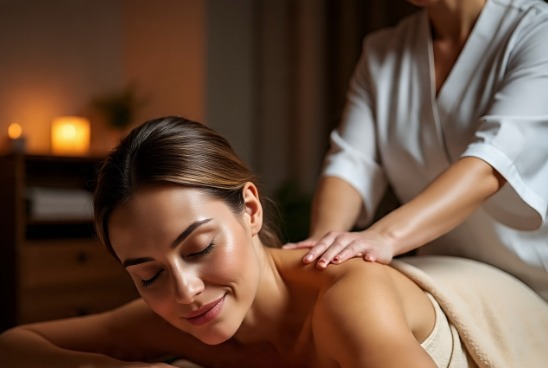
Before words existed, humans communicated through touch. A hug, a pat on the back, or a gentle hand on the shoulder can say what words never could — “You’re safe, you’re loved, you’re not alone.” In today’s fast-paced and digital world, we’ve lost a lot of that human connection. That’s where massage therapy steps in — 출장안마 not just as physical treatment, but as emotional healing through the timeless power of touch.
A massage does more than relax your muscles; it touches your emotions. It brings comfort where stress lives, peace where anxiety grows, and calm where chaos takes over.
Why Massage Is More Than Physical Therapy
Many people see massage as a luxury or a spa activity. But in truth, it’s one of the oldest and most natural forms of emotional and physical medicine. Ancient cultures used massage for healing, balance, and spiritual connection. Today, science confirms what they already knew — touch can transform the mind just as much as the body.
Massage works by communicating directly with your nervous system. The gentle pressure and rhythmic motion trigger your body to release hormones that calm stress and boost happiness. It’s not just hands on the body; it’s care flowing through touch.
The Emotional Science Behind Massage
When you receive a massage, your brain releases oxytocin, often called the “love hormone.” This chemical builds feelings of trust, comfort, and emotional warmth. At the same time, serotonin and dopamine — your body’s “feel-good” hormones — increase, while cortisol, the stress hormone, decreases.
This balance helps your mood lift almost instantly. That’s why even after a single session, you may feel lighter, happier, and emotionally at ease — even if you walked in feeling tired or tense.
Healing Stress and Anxiety Through Touch
Emotional pain doesn’t always show on the outside. Stress, fear, and sadness often hide deep within our bodies — in our shoulders, back, or neck. Massage helps release this emotional tension physically.
As the muscles relax, the brain follows. You start to breathe deeply, your thoughts slow down, and your nervous system switches from “fight or flight” to “rest and heal.” That’s why massage therapy is often used for people struggling with anxiety, burnout, or depression — it gives the mind a safe space to breathe again.
Reconnecting with Yourself
Modern life keeps us constantly distracted — from phones, work, and worries. Massage creates a quiet space where you can reconnect with yourself. As you lie still and focus on the rhythm of touch, you become aware of your body again — its feelings, its needs, its strength.
This mindful connection brings emotional balance. You stop running after peace and start feeling it inside you. That’s why many people say massage feels like a “reset” — a moment to pause, reflect, and heal.
The Power of Human Connection
In a world filled with screens and virtual connections, physical touch has become rare. Yet, our minds and bodies still crave it. Massage therapy fulfills that human need for safe, caring contact.
For people who live alone, travel often, or work under stress, a professional massage can feel like being gently reminded, “You’re cared for.” This simple act of compassion can lift emotional heaviness and rebuild inner strength.
Even therapists often say that massage isn’t just about pressure — it’s about presence. When someone touches you with kindness and awareness, healing begins on its own.
How Massage Frees Trapped Emotions
Have you ever felt like crying during a massage? That’s not strange — it’s healing. Sometimes, our bodies store emotional pain in the form of muscle tension. When a therapist works on those areas, the release of that tension can also free buried feelings.
This is known as emotional release — and it’s perfectly normal. It’s your body’s way of saying, “I’m finally letting go.” Afterward, you may feel calm, light, or deeply peaceful. That’s emotional healing through touch — powerful, gentle, and real.
Building Emotional Strength Through Regular Massage
The benefits of massage therapy don’t stop after one session. With regular treatments, your emotional health improves in lasting ways:
- More emotional control: You respond calmly to daily stress.
- Better sleep: Massage helps you rest peacefully.
- Improved self-esteem: You feel cared for and confident.
- Lower anxiety levels: Regular relaxation keeps your mind clear.
- Deeper happiness: The balance of hormones supports positive emotions.
Massage builds emotional resilience — helping you stay calm and strong, even when life gets challenging.
The Link Between Touch and Healing
Touch is the most direct way to tell the body it’s safe. When you feel safe, your immune system strengthens, your heart rate steadies, and your mind relaxes. That’s why hospitals, nursing homes, and therapy centers often use massage therapy to help patients recover faster — not just physically, but emotionally too.
For people dealing with trauma, grief, or loneliness, touch can remind them that healing is still possible. It’s comfort without words, strength without effort.
Different Types of Massage for Emotional Healing
Each type of massage carries its own emotional benefits:
- Swedish Massage: Best for total relaxation and stress relief.
- Aromatherapy Massage: Uses essential oils to lift mood and ease anxiety.
- Hot Stone Massage: Combines warmth and touch for deep comfort.
- Reflexology: Focuses on points that balance the body’s emotional energy.
- Lomi Lomi Massage: A Hawaiian style known for its spiritual and emotional healing.
- Craniosacral Therapy: Gentle pressure on the head and spine that promotes deep emotional release.
Choosing the right one depends on your needs — comfort, energy, or emotional renewal.
Massage as Self-Care, Not Self-Indulgence
Many people feel guilty about spending time or money on a massage, thinking it’s a luxury. But massage is not indulgence — it’s self-care. Taking care of your emotional well-being is just as important as taking care of your physical health.
Think of it this way — when your mind is calm, your decisions improve, your relationships get stronger, and your energy returns. Massage gives you that balance, naturally and safely.
How to Create Emotional Calm at Home
You don’t always need a professional session to experience healing touch. You can create a mini emotional reset at home:
- Self-Massage: Gently rub your shoulders, hands, or feet using calming oils like lavender or chamomile.
- Partner Massage: Exchange massages with a loved one to build connection.
- Massage Tools: Use rollers or electric massagers for daily relief.
- Set the Mood: Dim the lights, play soft music, and focus on slow breathing.
Even 10 minutes of mindful touch can make a difference in how you feel.
The Lasting Impact of Massage on Mental Health
Massage therapy doesn’t just help for the moment — it can transform your long-term emotional well-being. Over time, regular sessions train your body to stay in a relaxed state more easily. You’ll notice fewer headaches, better sleep, and calmer reactions to stress.
More importantly, it teaches you something vital — how to listen to your body and emotions. You begin to recognize tension before it becomes pain, and sadness before it becomes exhaustion. That awareness itself is healing.
The Silent Therapy We All Need
Sometimes words fail. You might not know how to explain your sadness or stress, but your body always knows. Massage is that silent therapy that listens without judgment and heals without language.
In those quiet moments on the massage table, when the world disappears and only calm remains, you rediscover yourself — whole, peaceful, and strong.
Final Thoughts
“Touch That Heals” is more than a phrase — it’s a reminder that healing doesn’t always need medicine or words. Sometimes, all it takes is a gentle, caring touch. Massage therapy revives not only the body but the heart and soul.
In a world where everyone is busy surviving, massage helps you start living again — peacefully, confidently, and emotionally free.