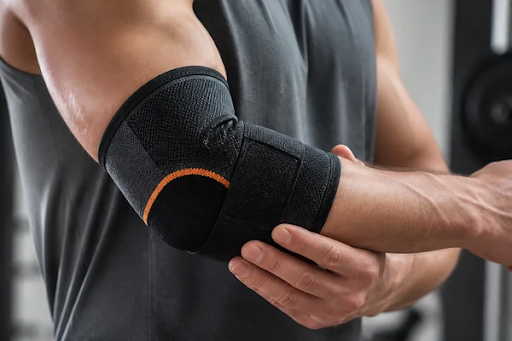
Elbows can ache after heavy bench sessions, particularly after repeated pressing, challenging lockouts, or a sudden increase in training volume. Pay attention to that discomfort: adjusting technique or workload matters more than covering up symptoms. An elbow sleeve adds compression and warmth while allowing the joint to bend. It cannot diagnose an injury or replace sound programming, but it can make regular training more comfortable. Four practical benefits can help lifters decide when a sleeve fits their pressing routine.
Before buying, lifters should note whether discomfort appears during setup, the descent, or lockout; each pattern points to a different training variable. Practical elbow support for weight training should sit smoothly above and below the elbow crease without bunching or causing numbness. Compare coverage and fit before a heavy session, then test the sleeve during warm-up sets.
1. Compression adds a supported feel
An elbow sleeve applies even pressure around the joint. That pressure gives some lifters a more secure sensation during bench presses, close-grip work, and overhead presses. A sleeve doesn’t stabilize the elbow like a rigid brace, and it shouldn’t restrict normal movement.
That distinction matters under the bar. The sleeve should allow the elbow to bend and straighten through the lift’s full range of motion. If it slips, pinches, or changes the bar path, the fit is wrong for that session. Reduce the load and reassess instead of forcing a painful repetition.
Test the sleeve during warm-up sets, then check whether the pressure stays even as the forearm moves. It should feel snug, not restrictive. Check the manufacturer’s size chart before choosing a sleeve. A loose fit shifts, while excessive tightness restricts comfortable movement.
2. Warmth can ease early-set stiffness
Neoprene sleeves retain body heat around the elbow, which can make the joint feel more prepared during early pressing sets. Warmth does not treat a tendon injury, but it can make a familiar warm-up more comfortable in a cool gym or during long rest periods. This is a comfort benefit, not a substitute for preparation.
Start with unloaded arm movements and gradually add pressing sets. A sleeve does not replace that progression; the shoulders, wrists, and muscles still need preparation. If discomfort increases as the load rises, stop and adjust the session rather than relying on warmth.
A sleeve also keeps the elbow covered between sets, helping it stay warm during pauses. Lifters can remove it if the heat or pressure becomes distracting.
3. Compression gives position feedback
Compression increases contact feedback around the elbow. That added awareness can help lifters notice whether each arm tracks evenly through a press, especially when fatigue changes the bar path. A sleeve does not guide the joint into position. The technique still depends on controlled repetitions and a stable setup.
Start with lighter sets and focus on both elbows instead of chasing a perfect sensation. If the sleeve draws attention to one side, check hand spacing, bar position, and elbow flare. Small setup changes often explain discomfort better than extra compression.
That feedback is useful when it prompts a technique check, not when it becomes a reason to ignore pain.
4. A sleeve supports repeatable training comfort
Heavy pressing often involves several elbow-demanding sets in one session. A sleeve provides consistent compression across bench variations, dips, and overhead work, letting lifters compare comfort without changing the lift itself. That consistency can help clarify whether the sleeve makes a difference or a new technique cue explains the change.
Use a sleeve selectively at first. If it improves comfort during working sets, keep it for those sessions. If the ache persists outside training or worsens, pause pressing and seek qualified medical guidance. Sharp pain, swelling, or difficulty with everyday movement calls for more than a gear adjustment.
Track the load, repetitions, and discomfort with and without the sleeve. This simple comparison can show whether it improves comfort or masks a problem.
Conclusion
An elbow sleeve belongs in a pressing routine when it feels supportive and doesn’t restrict movement. It adds compression and warmth, and it can make elbow position easier to sense, but it cannot correct poor technique or resolve an injury. First, review training volume and pressing setup. Then test the sleeve during light warm-up sets. Keep using it only if it improves comfort without hiding pain or changing the lift.