Central London is home to a wide range of businesses, residential developments and professional organisations. With its convenient transport connections and access to local amenities, it remains an attractive location for companies looking to establish themselves and property owners managing buildings in busy urban areas.
However, making the most of a central London property involves more than choosing the right location. Businesses need practical working environments, while property owners and residents depend on effective building management to keep shared spaces safe, functional and well maintained.
Understanding these requirements can help create more productive workplaces and better managed properties.
Creating a Professional Environment for Meetings
For businesses, having access to a suitable meeting space is an important part of maintaining professional relationships. Whether meeting prospective clients, discussing projects with colleagues or conducting interviews, the environment can influence how productive and comfortable a session feels.
Not every organisation has the space or budget for a permanent meeting room. Smaller businesses, freelancers and companies with hybrid working arrangements may only need access to professional facilities occasionally.
This makes meeting rooms in Fitzrovia a useful option for organisations looking for flexible workspace in a central location. Fitzrovia is well positioned within London’s West End, making it accessible for people travelling from different parts of the capital.
Hiring a room when required can also help businesses manage their overheads. Rather than maintaining a dedicated office with facilities that are rarely used, companies can select a space that suits the size and purpose of each meeting.
What to Look for When Hiring a Meeting Room
Choosing the right meeting room involves considering more than its location. The facilities available should support the type of session being organised and provide a comfortable environment for everyone attending.
Capacity is an important starting point. A small room may be ideal for interviews or private consultations, while larger discussions and training sessions will require additional space.
Technology should also be considered. Reliable Wi-Fi, presentation screens and video conferencing facilities can make it easier to share information and include remote participants.
Other useful features include:
- Comfortable seating and suitable lighting.
- A quiet environment with sufficient privacy.
- Convenient access to public transport.
- Refreshments and nearby places to eat.
- Flexible booking arrangements.
Businesses should also check the booking terms, including cancellation policies and whether additional equipment is included in the hire price. Planning these details in advance can help avoid unexpected costs.
The Importance of Effective Building Management
While businesses focus on creating suitable working environments, property owners and residents have their own priorities. Managing a residential or mixed-use building requires regular attention to shared areas, maintenance responsibilities and communication between different parties.
In larger developments, these responsibilities can become increasingly complex. Communal hallways, lifts, entrances, gardens and other shared facilities all need to be maintained properly.
This is where block management central london services can play an important role. Professional block management helps oversee the day-to-day operation of residential buildings, ensuring that communal areas are maintained and that important responsibilities are addressed.
A well-managed building can provide a better experience for residents while helping protect the condition and value of the property over time.
What Does Block Management Involve?
Block management covers a variety of responsibilities, depending on the size, structure and requirements of a development.
One of the main areas is property maintenance. Managing agents may arrange routine inspections, organise repairs and coordinate contractors to deal with issues affecting communal spaces.
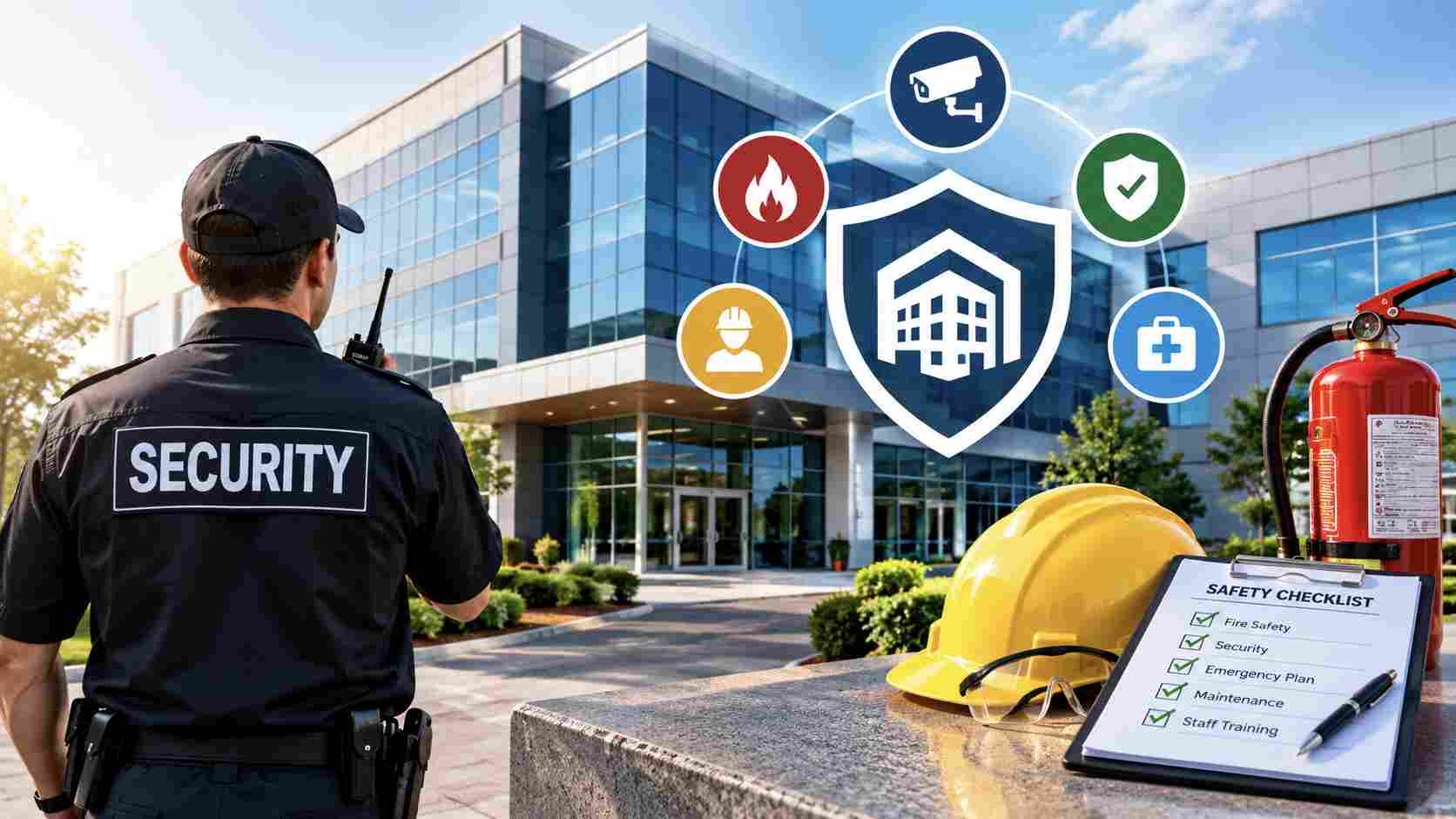
Health and safety is another important consideration. Shared areas need to be kept in suitable condition, with relevant checks and maintenance carried out to help reduce potential risks.
Financial administration also forms part of effective management. This can include preparing service charge budgets, collecting payments, managing expenditure and keeping accurate financial records.
Clear communication is equally important. Residents should understand how to report maintenance concerns, who is responsible for particular tasks and how decisions affecting the building are made.
Maintaining Standards Across Residential Developments
Central London properties can experience high levels of daily activity. Buildings may accommodate permanent residents, tenants, visitors and businesses, all of whom rely on shared facilities.
Regular maintenance helps ensure that these spaces remain practical and welcoming. Cleaning schedules, waste management, lighting checks and prompt repairs can all contribute to a better living environment.
It is also important to plan for longer-term maintenance rather than only responding when something goes wrong. Identifying potential issues early can help prevent more serious damage and reduce the likelihood of expensive emergency repairs.
A proactive approach allows managing agents and property owners to plan budgets more effectively and prioritise essential work.
Building Better Working and Living Environments
Both professional meeting facilities and effective property management contribute to the overall experience of using a building.
For businesses, flexible meeting spaces provide access to professional facilities without the commitment of maintaining additional office space. For residents and property owners, reliable block management helps ensure that buildings remain safe, organised and properly maintained.
Although these services meet different needs, they share a common purpose: making better use of property and creating environments that work for the people who depend on them.
By choosing suitable facilities, planning ahead and investing in ongoing maintenance, businesses and property owners can support more efficient, comfortable and sustainable spaces across central London.