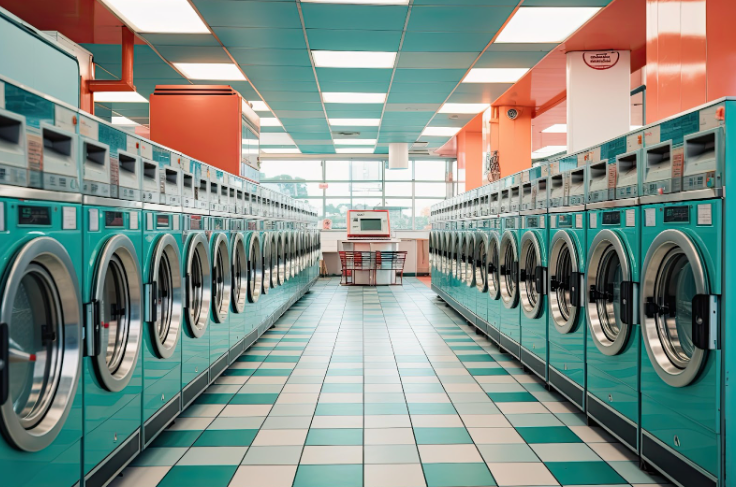
Doing laundry at home is not an option with a lot of Americans. Laundromats have become important, particularly in urban neighborhoods and rental-heavy communities. It is almost inflation-free as demand never dies in this sector. So, for business owners looking to start a business with stable cash flow, opening a laundromat might be a good move.
But the cost is where it can be a bit of an issue. Commercial washers are not cheap. Permits, leases and even plumbing upgrades cost serious money. But there is nothing to worry about. You can open a laundromat with creative funding and not drain your savings in the process.
The Real Costs Behind Opening a Laundromat
First off, let us get honest about what you are walking into. Opening a laundromat often costs anywhere between $200,000 to $500,000. The range depends on your city, the size of the space, and whether you are starting fresh or taking over an existing one.
The biggest expense? Equipment. Commercial washers and dryers can eat up over half your budget. Add installation, leasehold upgrades, security systems, utility setup, and marketing and you are looking at serious upfront investment.
These laundromat startup costs often scare new business owners away. But they do not have to.
Cutting Corners the Smart Way
There are smart ways to make it easier. One of them is skipping the brand-new equipment. Plenty of laundromats have gone under in the last few years, and their used machines still have years of life left. Auctions or resellers can help trim that cost by half, sometimes more.
Another overlooked option? Leasing. Instead of buying machines outright, pay monthly. Yes, it adds up long term, but it keeps initial spend manageable. Some even start by renting a portion of an existing space or subletting a spot in a mixed-use facility.
And if the thought of full-scale operations feels too much, think smaller. Coinless pop-up laundry units, pickup/drop-off services, or mobile laundry vans can be a lean way to enter the market without the weight of an entire facility.
Exploring Funding Paths That Do Not Break You
Every entrepreneur understands that even scaled-down plans require capital. This is where small business lending comes in.
One of the most common options? Equipment financing. It is exactly what it sounds like. You get funds specifically to buy machines and the machinery purchases will act as collateral. So, you do not have to offer much more.
If you are starting small, SBA microloans are worth a look. These loans, often offered through community-focused lenders, can go up to $50,000. Interest rates are generally lower than traditional banks, and repayment terms can be flexible.
Business credit lines of credit are another route. You borrow what you need, when you need it. Interest only applies to the amount you use. Helpful if cash flow is tight early on.
And then there are working capital loans. These are useful when you need funds for utility deposits, first-month lease, or payroll for any staff. Laundromat financing does not always need to be massive. It just needs to be enough to get your doors open.
Lenders will, of course, want to see something solid, like your credit score, your plan, and your ability to repay. But there is more variety in small business lending now than ever before.
Alternative Funding Sources Most People Miss
Traditional financing is not the only route. You can explore other alternative funding routes that might suit your business goals better.
For instance, Community Development Financial Institutions (CDFIs) often offer support to underserved areas by providing not just loans, but also guidance and education.
Minority entrepreneurs, women, and veterans can also become eligible for small grants or funding through state or federal initiatives. These are not always well-advertised, but they exist.
Crowdfunding could also help test your concept while building community interest. Platforms like Mainvest and Honeycomb Credit let you raise capital from your neighborhood or customer base, sometimes in exchange for future perks or revenue shares.
Even laundromat franchises can ease entry. Some offer in-house financing and ready-to-use systems. While they come with rules, they reduce the learning curve.
Your Pre-Launch Reality Check
Before you open your doors, take a step back and run through a few questions:
- Does your business plan show how you will repay any loan?
- Are you clear on monthly costs, like water, power, maintenance?
- Have you shopped around for multiple laundromat financing options?
- Is the neighborhood ready for another laundromat or are you filling a true need?
Some due diligence now could save you thousands later. Talk to other owners. Visit forums. Ask questions you might feel silly asking. It matters.
Can You Really Start with Less?
Yes, you can open a laundromat with limited capital but you need to think a bit creatively, stay flexible, and be open to funding options outside the usual options.
Big traditional banks are no longer the only option in the market. Between equipment-specific financing, small business lending programs, and community support options, you can get the backing you need without overextending yourself.
This is not about cutting corners. It is about using the ones available to you.
Conclusion
Opening a laundromat might seem like a big leap, especially when capital is tight. But plenty of successful owners started with less than perfect conditions. They found unique ways to manage laundromat startup costs, got support from alternative small business lending options, and did not indulge in unnecessary upfront spending.
It is not about chasing the biggest space or brand-new machines right away. For a lot of entrepreneurs, opening a laundromat is mostly about building something for the long run. So, it doesn’t matter if you begin modestly now. All it matters is whether you can make your dream of getting your business off the ground a reality or not.