From TikTok reviews to Instagram aesthetic shots and YouTube “what I’ve been using” segments, vape ireland content has become a genuine niche in the Irish creator economy. But what does the scene actually look like beyond the sponsored posts? We spoke to the community (virtually, at least) to find out what Irish creators are actually using, what they are saying honestly, and why the conversation is more nuanced than most brand partnerships let on. The short answer: it is a community doing serious work, navigating a difficult regulatory and cultural space, and building audiences on the back of genuine credibility rather than polished brand messaging.
Why Irish Creators Are Engaging with Vaping Content
The numbers are straightforward: vaping is a high-engagement topic with a built-in audience of people actively seeking information. In a creator economy where algorithm performance depends on watch time and saves, “honest review” content about vaping devices and e-liquids performs reliably well. Irish audiences, in particular, are underserved by UK-centric content that assumes different product availability, different pricing and different regulatory context. A recommendation from a UK creator for a device available at a specific retailer or a liquid at a price point that reflects the British market is only partially useful to someone shopping in Dublin or Cork.
There is also a genuine information gap that creators are filling. The official public health messaging around vaping in Ireland has historically been cautious to the point of being unhelpful for the large number of Irish adults actively using e-cigarettes to quit smoking. The HSE’s position is supportive of vaping as a cessation tool, but the detailed, practical guidance that people actually need – which device for a twenty-a-day smoker, which nicotine strength to start with, how to avoid dry hits on a new coil – is not the kind of content that comes from a health authority press release. Creators who fill that gap with honest, practical, experience-based content build loyal audiences quickly, because they are solving a real problem.
What They Are Actually Using Day to Day
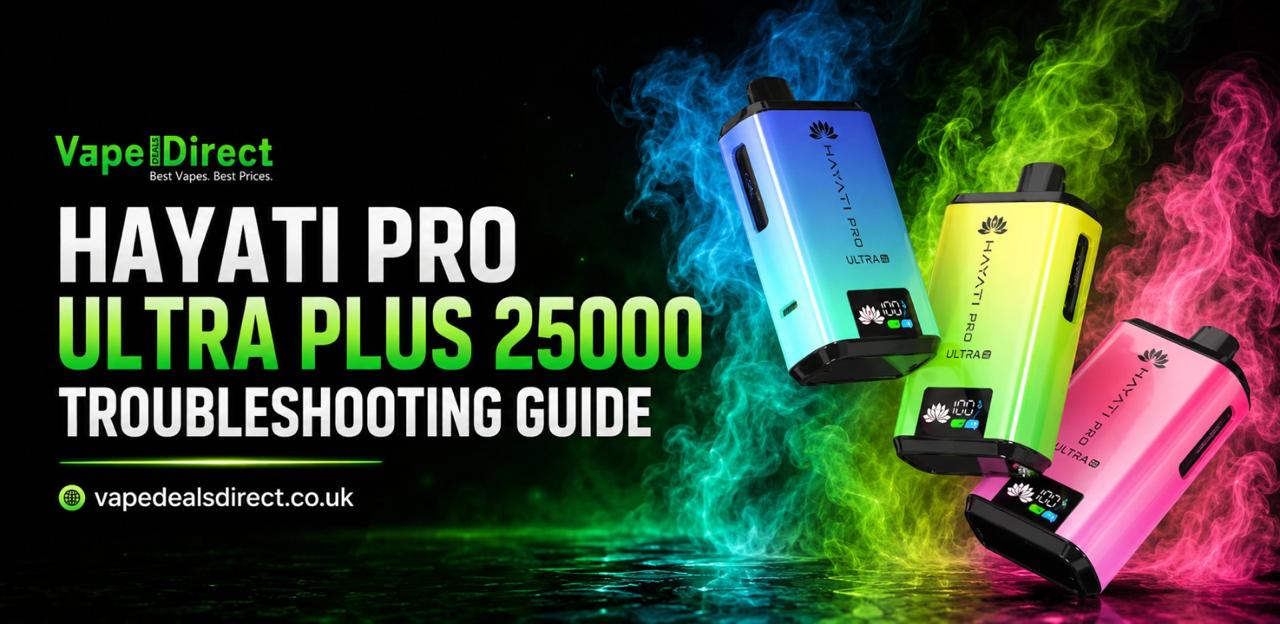
Disposable vapes dominate casual creator usage for the simple reason that they require no maintenance, no refilling and no decision-making. The IVG 2400 and Lost Mary range come up most frequently in Irish creator content – both are widely available, produce consistent flavour, and photograph well. The compact form factor of most disposables also suits the visual language of short-form video: it is easy to hold up to camera, easy to contextualise in a lifestyle frame. For creators who have moved beyond disposables, the Vaporesso XROS series and Uwell Caliburn range are the reusable pod systems most commonly featured, valued for their ease of use and the fact that replacement pods are straightforward to source across Irish retailers.
E-liquid preferences in the creator community skew heavily toward fruit and beverage flavours. Tropical profiles dominate – mango, passion fruit, mixed berry, citrus blends. Dessert flavours have a smaller but enthusiastic following, particularly in the ASMR and lifestyle vlog format where close-up texture and aesthetic detail matter. Tobacco flavours rarely feature in creator content because they lack visual and sensory drama, even though they remain among the most popular choices for everyday vapers who switched from cigarettes and want the familiar profile. This gap between “creator content” and “what people actually buy” is itself an interesting marker of how the genre has developed its own aesthetic conventions.
The Platforms: Where Irish Vaping Content Lives
TikTok is the primary platform for the highest-reach Irish vaping content, driven by the format’s appetite for quick, opinionated takes and the discoverability that comes from a well-functioning interest graph. A sixty-second device review that opens with a specific problem – “here’s why I stopped using disposables” – and ends with a concrete recommendation can accumulate hundreds of thousands of views without any paid promotion. The comment section on this kind of content often becomes a self-sustaining information exchange that extends the value of the original post considerably.
YouTube serves a different function: longer-form comparisons, “what I’ve been vaping this month” compilations, and in-depth setup guides for new devices. These videos attract a more intentional viewer – someone who has already decided to explore vaping and wants structured guidance rather than a scroll-scroll-stop moment. Irish YouTube vaping content is thinner on the ground than TikTok, partly because the production investment is higher and partly because demonetisation risk on nicotine-related content makes the economics harder. Creators who have built YouTube audiences in this space have typically done so by being unusually consistent and genuinely informative rather than flashy.
Instagram functions as the aesthetic layer – the place where devices, liquids and lifestyle imagery coexist, where sponsored content is most visible, and where the gap between polished brand narrative and authentic user experience is most apparent. Savvy Irish creators use Instagram for visual brand-building while reserving their honest opinions for TikTok and their detailed knowledge for YouTube.
The Honest Conversations Happening Behind the Hashtag
Beyond the polished reviews, the more candid vaping conversations in the Irish creator space tend to happen in comments sections and live streams rather than in polished posts. Creators field questions about nicotine dependence – whether vaping is genuinely easier to quit than cigarettes, what the experience of reducing nicotine strength actually feels like, how to manage the social dimension of vaping in workplaces or family situations. They answer questions about what happens when a favourite product gets discontinued, about navigating counterfeit products in the Irish market, about the difference between genuine product information and content that is commercially motivated.
These conversations reflect the genuine complexity of vaping’s place in Irish life. It is not a hobby for most users – it is a harm reduction tool, and the people using it are often navigating a process that involves real health stakes and real behaviour change. The anxiety that surfaces in comment sections when a popular flavour is reformulated, or when a regulatory change threatens a product category, is not the anxiety of a hobbyist worried about a lifestyle accessory. It is the concern of someone managing a genuine dependency and using the best available tool to do so. Creators who engage with that complexity honestly, rather than pretending the subject is purely aesthetic, build the strongest and most loyal communities in the space.
The Regulatory Reality Irish Creators Navigate
Irish content creators talking about vaping operate within a tighter regulatory environment than their UK or US counterparts in several respects. The Advertising Standards Authority for Ireland (ASAI) prohibits advertising of tobacco products and applies comparable standards to nicotine-containing products. Sponsored content involving vaping products must be clearly disclosed using Irish disclosure standards, must not target under-18s in any aspect of its production or distribution, and cannot make comparative health claims – statements like “less harmful than smoking” require specific substantiation to be permissible in a commercial context.
The practical implication is that the most credible Irish vaping content tends to be independently produced rather than brand-sponsored. This is not simply an idealistic preference – it is a commercial reality. Sponsored content in this category is more visible, more scrutinised and more likely to attract ASAI complaints than organic content. Creators who have built sustainable audiences have generally done so through personal accounts of switching from smoking, genuine device comparisons based on actual extended use, and honest assessments of what works and what fails.
What Makes an Irish Vaping Creator Worth Following
The differentiator in this space is not production quality or follower count – it is transparency about motivation and experience. The Irish creators who have built genuine authority in the vape ireland content space share several characteristics: they are explicit about their own smoking history and what prompted the switch; they acknowledge when products disappoint them, not only when they impress; they update their recommendations when better options emerge rather than defending earlier positions; and they are clear about the line between their own experience and generalisable advice. In a category where the stakes include people’s health decisions, that epistemic honesty is not just good ethics – it is the foundation of an audience relationship that survives beyond a single viral moment.
For anyone looking to build a presence in Irish vaping content, the opportunity remains significant. The combination of a large, underserved Irish audience, a genuine information gap, and a growing body of independently produced content that models good practice creates real room for new voices – provided they bring the same transparency and experience-based rigour that the best in this space have established as the standard.