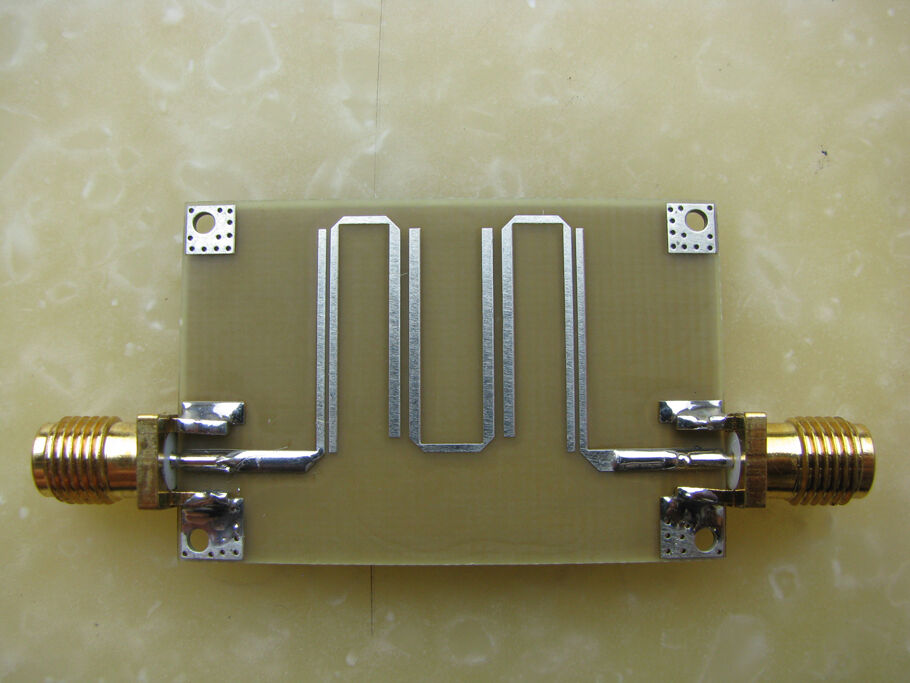
The “data sheet 4040 MHz microstrip bandpass filter MB 5966” is an essential document for engineers and professionals working in radio frequency (RF) and microwave technologies. This article delves into its specifications, applications, advantages, and commonly asked questions.
What is the 4040 MHz Microstrip Bandpass Filter MB 5966?
The 4040 MHz Microstrip Bandpass Filter MB 5966 is a high-performance component designed for filtering specific frequency ranges in RF and microwave applications. Its microstrip design makes it compact, lightweight, and suitable for various industries like telecommunications, aerospace, and defense.
Key Features
- Frequency Range: Operates precisely at 4040 MHz, ensuring minimal signal loss outside this range.
- Microstrip Design: Uses printed circuit board (PCB) technology for a compact and cost-effective solution.
- High Selectivity: Filters unwanted signals with precision, maintaining signal integrity.
Specifications of the Data Sheet 4040 MHz Microstrip Bandpass Filter MB 5966
Understanding the technical details of the “data sheet 4040 MHz microstrip bandpass filter MB 5966” is crucial for selecting the right filter for your application. Below are the key specifications:
Electrical Parameters
- Center Frequency: 4040 MHz
- Bandwidth: Typically 100 MHz (adjustable based on requirements)
- Insertion Loss: Less than 2 dB for optimal signal transmission
- Return Loss: Greater than 15 dB to ensure minimal reflection
- Stopband Attenuation: >40 dB outside the passband
Physical Dimensions
- PCB Size: Compact design with a typical footprint of 25 mm x 10 mm.
- Thickness: Standard PCB thickness of 1.6 mm.
Material and Environmental Considerations
- Substrate Material: FR4 or Rogers 4003C for superior dielectric performance.
- Operating Temperature Range: -40°C to 85°C, suitable for harsh environments.
Applications of the 4040 MHz Microstrip Bandpass Filter
The “data sheet 4040 MHz microstrip bandpass filter MB 5966” finds its use in several domains due to its versatility and reliability.
1. Telecommunications
Used in mobile base stations and satellite communication systems to filter specific frequency bands and reduce interference.
2. Aerospace
Ideal for avionics and satellite systems where precise frequency filtering is essential for mission-critical communications.
3. Defense and Military
Employed in radar and communication systems for secure and interference-free signal processing.
4. Test and Measurement
Helps in calibrating RF equipment by providing accurate filtering during testing procedures.
Advantages of Using the 4040 MHz Microstrip Bandpass Filter MB 5966
Compact Design
The microstrip design ensures a small footprint, making it ideal for modern, compact devices.
Cost-Effective
Compared to cavity filters, microstrip bandpass filters are more affordable while maintaining performance.
High Reliability
Designed for long-term use with robust materials, ensuring consistent performance even in challenging environments.
Customizable
Manufacturers can tailor the design to meet specific frequency and bandwidth requirements.
How to Read the Data Sheet for MB 5966?
The “data sheet 4040 MHz microstrip bandpass filter MB 5966” provides all necessary technical details. Here’s how to interpret it:
Frequency Response
Check the graph for the filter’s performance within and outside the 4040 MHz band.
S-Parameters
Understand the insertion and return loss values through S-parameter graphs, which show performance metrics.
Environmental Specifications
Review the temperature and humidity ranges to ensure compatibility with your application.
Mounting Instructions
The data sheet typically includes PCB mounting guidelines to achieve optimal performance.
Installation and Maintenance Tips
Installation
- Use standard soldering techniques to attach the filter to your PCB.
- Ensure no signal path obstructions to minimize signal loss.
Maintenance
- Regularly inspect the filter for physical damage.
- Avoid exposure to extreme temperatures or moisture to prolong its lifespan.
FAQs about the Data Sheet 4040 MHz Microstrip Bandpass Filter MB 5966
1. What is the purpose of the “data sheet 4040 MHz microstrip bandpass filter MB 5966”?
The data sheet provides detailed specifications, performance metrics, and guidelines for using the 4040 MHz microstrip bandpass filter effectively in various applications.
2. Can the filter be used outside the 4040 MHz range?
The MB 5966 is optimized for 4040 MHz. While it may function outside this range, performance degradation can occur, especially in terms of insertion loss and stopband attenuation.
3. What materials are used in the microstrip bandpass filter?
Typically, FR4 or Rogers 4003C substrates are used due to their excellent dielectric properties and reliability.
4. How is the filter installed on a PCB?
The filter can be soldered directly onto the PCB using standard soldering techniques. The data sheet provides detailed instructions for mounting.
5. Is it possible to customize the bandwidth of the MB 5966?
Yes, many manufacturers offer customization options to adjust the bandwidth or center frequency to meet specific requirements.
6. What are the environmental limitations of the filter?
The filter operates within a temperature range of -40°C to 85°C and should be kept away from excessive humidity and corrosive environments.
7. How does this filter compare to cavity filters?
The microstrip design is more compact and cost-effective, but cavity filters may offer higher selectivity for specific applications.
Conclusion
The “data sheet 4040 MHz microstrip bandpass filter MB 5966” is a cornerstone for engineers working in RF and microwave systems. Its compact design, precise filtering capabilities, and adaptability make it an invaluable component across industries. By understanding the specifications and guidelines outlined in the data sheet, users can maximize the filter’s performance for their specific needs.