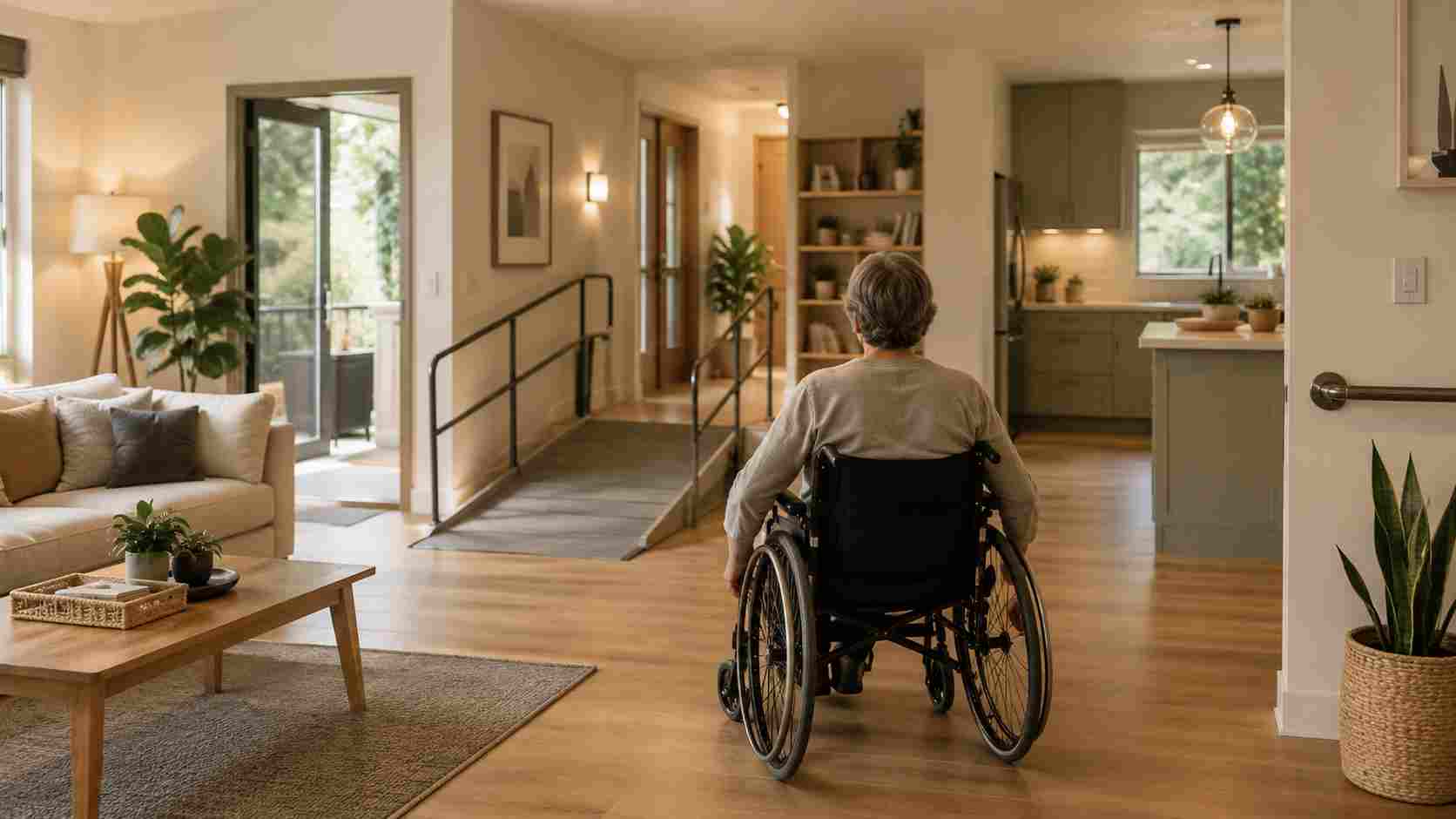
The traditional concept of a “forever home” is undergoing a significant transformation. In the past, families adjusted their lifestyle to fit a static building; today, forward-thinking homeowners choose to construct and remodel spaces that dynamically adapt to them. As multi-story layouts continue to offer undeniable advantages in style, privacy, and footprint optimization, a critical architectural question arises: how do we ensure these multi-level environments remain functional, safe, and comfortable through every stage of life?
Designing for longevity requires a proactive approach centered on universal accessibility and adaptive architecture long before mobility issues arise. By embedding intuitive, barrier-free solutions into your living environment, you create a sanctuary that fosters independence and preserves property value for decades to come.
The Principles of Universal Design
At its core, accessible home design eliminates daily physical obstacles while enhancing aesthetic harmony. Achieving this balance begins at the home’s entryways and main passageways. Widening doorways to accommodate wheelchairs or walking aids and eliminating raised floor thresholds create smooth, seamless transitions between living areas.
Everyday fixtures also play a pivotal role in functional comfort. Swapping traditional round door handles for ergonomic lever-style hardware allows effortless operation for individuals with varying levels of hand dexterity. Placing light switches at reachable heights, installing rocker switches, and ensuring countertops are built with adaptable or multi-level clearances ensures that essential spaces remain user-friendly for household members of all ages and abilities.
Adapting Essential Living Spaces
High-traffic zones like bathrooms and kitchens require special design attention when building an adaptable home. In the bathroom, safety features should feel like modern luxury rather than clinical additions. Curbless roll-in showers equipped with built-in benches, stylish grab bars that double as towel racks, and comfort-height toilets transform the space into a safe, elegant sanctuary.
Beyond fixed architectural elements, interior layout significantly impacts daily navigation. Embracing open floor plans and removing non-essential furniture helps prevent tight bottlenecks, allowing family members and guests to move freely and comfortably.
Bridging Levels with Modern Vertical Mobility
For multi-story living, the staircase often presents the most formidable obstacle to aging in place safely. Stairway falls remain a leading hazard for older adults, making vertical transportation a key investment for long-term residency. While once considered an exclusive luxury, compact home lifts have rapidly become a practical, space-saving necessity for modern multi-level properties.
For multi-story residences, exploring options for residential elevators in Reno, NV allows homeowners to maintain their full living footprint without physical strain. Modern elevator systems blend smoothly into contemporary interiors, utilizing sleek glass enclosures or custom wood panels that preserve natural light and complement surrounding decor. Beyond accommodating mobility impairments, an in-home elevator simplifies routine domestic tasks like moving heavy luggage, laundry baskets, or groceries between floors, drastically improving daily efficiency for every member of the household.
Leveraging Smart Technology for Daily Ease
A truly future-proof home integrates responsive technology to support effortless living. Smart home automation allows residents to control lighting, climate settings, window shades, and security systems through simple voice commands or smartphone applications. Automating these routine adjustments minimizes unnecessary physical exertion and eliminates safety risks associated with reaching or straining.
Furthermore, modern smart security and environmental monitoring systems provide invaluable peace of mind. Automatic shut-off sensors for appliances, motion-activated night lighting along hallways, and integrated emergency alerts ensure a responsive safety net that discreetly operates in the background.
Building a Space for a Lifetime
Creating an accessible home is not about compromising style for safety; it is about embracing intelligent architecture that supports every chapter of life. By incorporating universal design principles, flexible open layouts, smart tech integration, and smooth vertical transportation solutions, you cultivate a home that evolves alongside your family’s needs—delivering comfort, freedom, and independence for years to come.