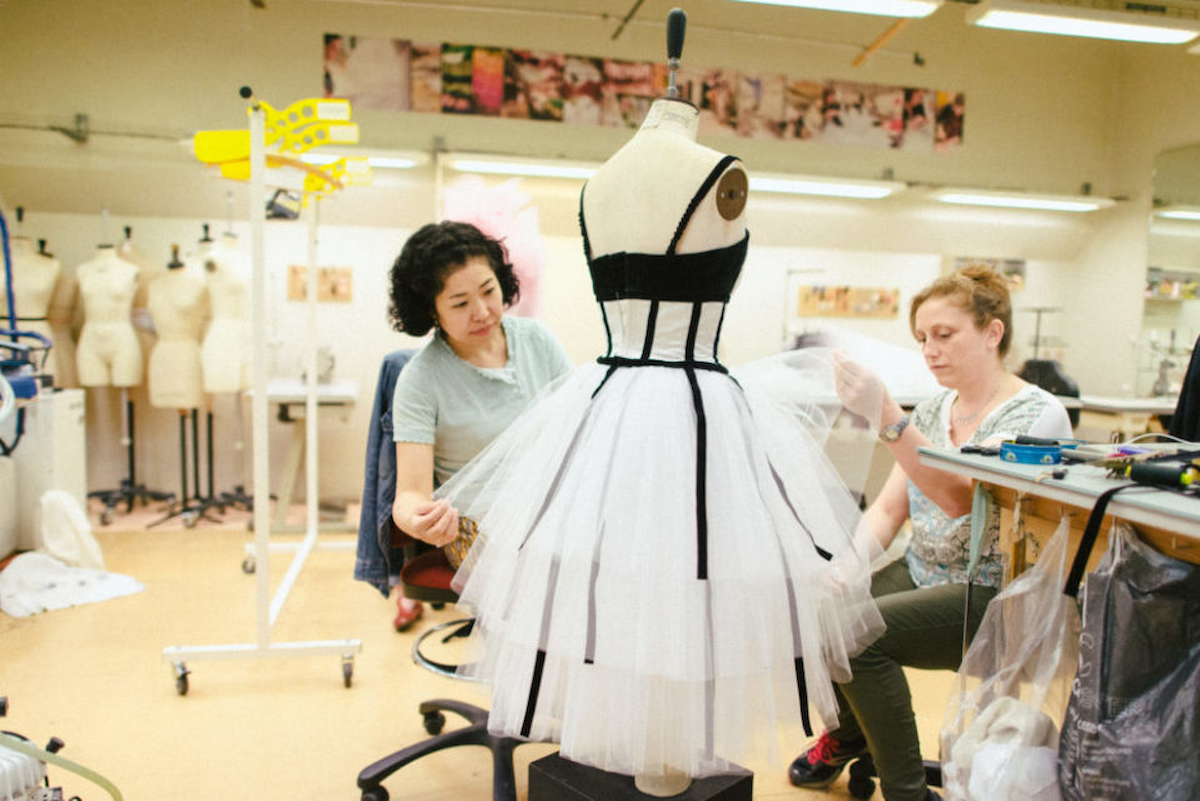
The basis of all fashion Industry textile design. Perhaps the most absurd designs can come to life with the help of textile design, which allows designers to develop motifs and materials. It is the process of creating and working with textiles through a t & a textiles fabrics supplier for getting your materials and then via a variety of methods, including knitting, sewing, printing, & embroidery. Textile design influences the drape, framework, & texture of clothing in addition to its aesthetic value. With textile design, a designer’s creativity knows no limits, and it might be the one element of a fashion Industry collection which helps them stand out.
What Is The Field Of Fashion Design?
Applying design techniques that improve aesthetics is the art of fashion Industry designing. Its objectives may be met by emphasizing beauty or by showcasing creative design on a wide range of items, including jewellery, scarves, shoes, purses, and textiles. It also encompasses the current tendency of garment embodiment. In addition to appropriate supervision, having certain personal traits and abilities is crucial in this line of work.
Textiles Are Important For Fashion Design:
Worldwide, the fashion industry is evolving at a very rapid pace. Meanwhile, the ready-made clothing business is making every effort to stay up. Consequently, fabrics have a huge influence on fashion Industry design.
The Following Discusses The Significance Of Fabrics In Fashion Design:
Although textiles and fashion design are closely intertwined, other facets of clothing are also engaged. However, fabrics are given more weight in creation by fashion designers. By incorporating fabrics, fashion design is an art form which lets a designer to demonstrate thoughtfulness. Additionally, they display the art in many different ways. While some designers use sketches to convey their notions, others use direct expressions of their concepts. They perform all of these tasks above fabrics.
Textiles are therefore crucial to the fashion design process. People today are continuously conscious of current trends. The fashion industry is highly competitive due to the rapid shift in people’s preferences & dislikes. Working by that is exceedingly challenging. Therefore, through fashion design, textiles are utilized to emphasize any particular trend to assist with the process easier. It can convey any trend with ease. Cities all over the world, including New York, London, Paris, and Milan, are always experiencing changes in fashion. They’re continuously creating new designs in response to demand, following up with current fashion. Currently, every national holiday, from birthday celebrations to national festivals, features a variety of outfits.
The majority of the textiles used in festival-themed new fashion markets are girls’ dresses, such as kameez, tops, saris, guy’s shirts, Punjabi, etc. Put another way, textiles are favoured above bags or shoes as a medium for fashion industry creation. In any case, the colour is preferred by the younger generation. They have excellent vision for details in both shadows and light on an item. However, fashion designers adore using colour to express their original ideas. In this instance, they use various colour applications on the textile to make their designs. Not even shoes or purses have been developed to display a design as effortlessly as a textile.
Trends in Fashion and Textiles:
Textiles dictate what is practical and fashionable in various eras, which has a significant impact on trends in fashion. Textiles have a significant role in the dynamic which influences trends, which frequently mirror cultural, social, & technological developments. For example, stretch materials, that enabled more movement and body-hugging forms, were introduced to the fashion industry throughout the 1960s with the discovery of Lycra (spandex). The way clothes fit and worked was changed by the explosion of new designs that resulted from this discovery. In a similar vein, the development of fashion trends has frequently been connected to the development of new dyeing technologies and supplies. The 19th century saw the introduction of vivid synthetic dyes, which gave designers access to a wider range of colours.
Fast fashion companies were able to provide stylish clothing at reasonable costs in the 1980s and 1990s thanks to the development of synthetic & hybrid materials, which sped up the cycle of fashion seasons. In addition to being functional inventions, textiles capture the zeitgeist of the period. For instance, the rise of eco-conscious fashion industry in the twenty-first century has increased the desire for sustainable textiles made of recycled materials, bamboo fibres, as well as organic cotton. These materials not only impact fashion designers but also how customers view value, leading them to choose morally responsible options which align with their own beliefs.
Final Words:
The fashion business is reliant on textiles. They serve as the basis for all clothing, influencing fashion trends, design, & practicality. The advancement of fabric technology, from organic fibres to advanced synthetics & intelligent textiles, keeps extending the potential of fashion. But as people’s awareness of ecological problems grows, so does the importance of textiles & their ethical and sustainable consequences. The future of textiles in fashion will be contingent critically on how innovation, looks, & responsibility are balanced going forward. Also read more internet-chicks.co.uk interesting articles.