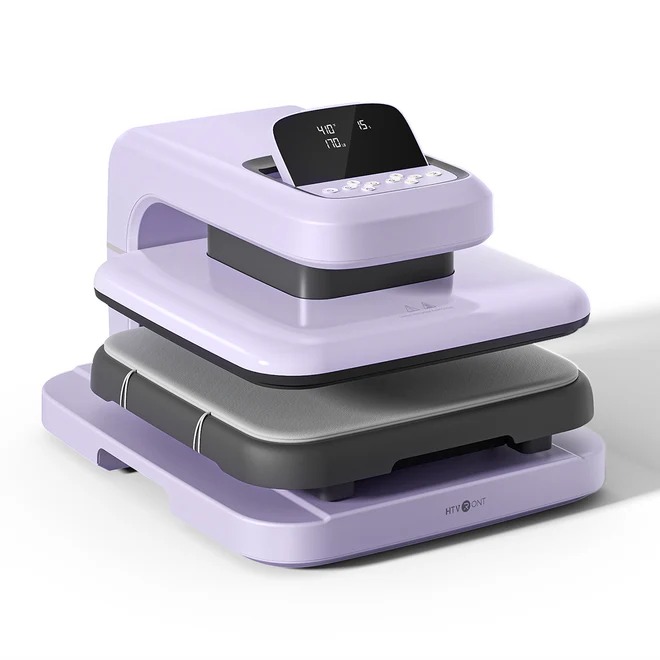
Perfect Press Layers: HTV and Puff Vinyl with Teflon Sheet Protection is an account of a heat pressing technique in which normal HTV and puff vinyl textured material is placed safely on a Teflon sheet. The sheet secures the transfer and the heat press besides providing smooth and even transfers.
Prefer to have sharp layers, no burns or sticky spots. Even the simplest Teflon sheet will allow you to press HTV heat press and puff vinyl without worries to provide each design with a clean, professional look.
The sheets of Teflon serve as a shield when heat pressing to avoid scorching or vinyl clinging to the platen. This tiny device ensures that the layered designs are safer, cleaner, and more sustainable.
The reason behind the effectiveness of layering HTV and puff vinyl works.
HTV offers sharp edges and solid color, which is flat on the shirt. Puff vinyl, on the other hand, swells in heat to give a soft and raised effect. They combine to bring out contrast, which makes designs more captivating.
Details in graphics (such as outlines) and bold text are frequently done in HTV, whereas puff vinyl is used when bold. This blend creates a visual element and makes clothes have a high-end, trendy look.
The Shielding Effect of a Teflon Coat.
A Teflon sheet separates the heat press and the vinyl. It eliminates direct contact, which would lead to melting, shine marks, or sticky residue on the heat plate. This layer alone makes equipment and designs secure.
It is also used to spread heat evenly in layered material. Controlled smooth heat eliminates overpressing and is used to keep puff vinyl from flattening. The effect is a professional-sounding texture all the time.
Procedures for Making the Ultimate Press Layers.
To be a successful lawyer, you have to prepare. Begin by pre-pressing the fabric in order to remove dampness and wrinkles. This measure makes sure that the first layer of the vinyl is adhered.
- Wet the cloth by pressing it with a few touches to eliminate moisture and wrinkles to get a smooth surface that can be covered with a vinyl.
- The HTV layer should be applied first, and then puff vinyl applied and pressed once more with a Teflon sheet to be on the safe side.
Once the base HTV layer has been pressed, it is recommended to cool it a bit, and then puff vinyl can be added. When it is time to press the final time, place the Teflon sheet on top to preserve the design and texture.
The Follies of Fallacy and Ways to Steer Clear of Them.
One of the largest problems in laying vinyl is overheating. Excessive heat may flatten puff vinyl or cause adhesive issues. Damage is avoided by adhering to temperature recommendations.
The other error is the omission of the Teflon sheet. Direct contact with heat can cause gloss to be deposited or destroy the vinyl surface. The same sheet should be used at all times to keep the results clean.
Advantages of Teflon Sheet Protection.
A Teflon sheet is better to ensure safety and quality. It prevents adherence of vinyl to the press and defends fine textures such as puff vinyl. It is an added layer that will also lengthen the life of your heat press.
The smooth appearance that it assists in creating is valued by designers. All the projects appear more professional and trustworthy due to smooth finishes, even heat distribution, and fewer mistakes.
There is an opportunity to be creative with Layered Vinyl Designs.
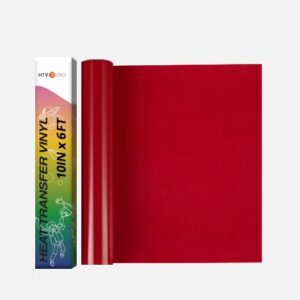
The combination of HTV and puff vinyl can be layered to infinity. Flat colors can be combined with raised parts to make logos, quotes, and artwork stand out. The approach is suitable for streetwear, sportswear, and customized gifts.
Customers prefer a feeling of touch, which comes out of the various textures. Elevated features are easier to pick up and see, and flat veneers prevent details from being blurred.
Vital Pressing, Cleaning, and Safety Equipment.
- A heat press of good quality and good temperature control.
- Vinyl and puff of high-quality HTV.
- Surface protection Teflon sheet.
- Lint roller: clean before pressing.
- Heat-resistant tape due to which it can be attached safely.
The Teflon sheet must be kept clean; otherwise, it will transfer the remaining residue to new designs.
These are some of the tools that facilitate the pressing process and ensure professionalism. Equipment is correct, which results in less error and fewer overall results.
Layered Vinyl Apparel Care.
Layered designs can be maintained by proper care, which makes them look fresh. Wash clothes and put cold water in and use light detergent. This shields flat and raised vinyl. Avoid high heat when drying. Vinyl will not be lifted or crack when dried by air or low tumble. High quality increases the longevity of tailored clothes.
Conclusion
Perfect Press Layers are a blend of the smoothness of HTV, the punch of puff vinyl, and the security of protection by a Teflon sheet. Layered designs are simpler, cleaner, and more lasting using this approach.
Through proper technique and equipment, designers are able to create outstanding clothes that can feel as great as they appear. Vinyl printing in layers transforms plain clothes into textured pieces of wearable art.
FAQs:
1. What is the reason why using the HTVRONT heat press is good in DTF transfers?
It offers smooth heat and constant pressure, and this aids DTF designs to bond easily and last longer on cloth.
2. Are the prints of DTF heavy on shirts?
No, a properly pressed DTF transfer is soft and flexible, and the colors remain bright and detailed.
3. Is it possible to use an HTVRONT heat press to use DTF with beginners?
Yes, the easy controls and other good-performing features render it user-friendly to a beginner but give the outcomes of a professional.