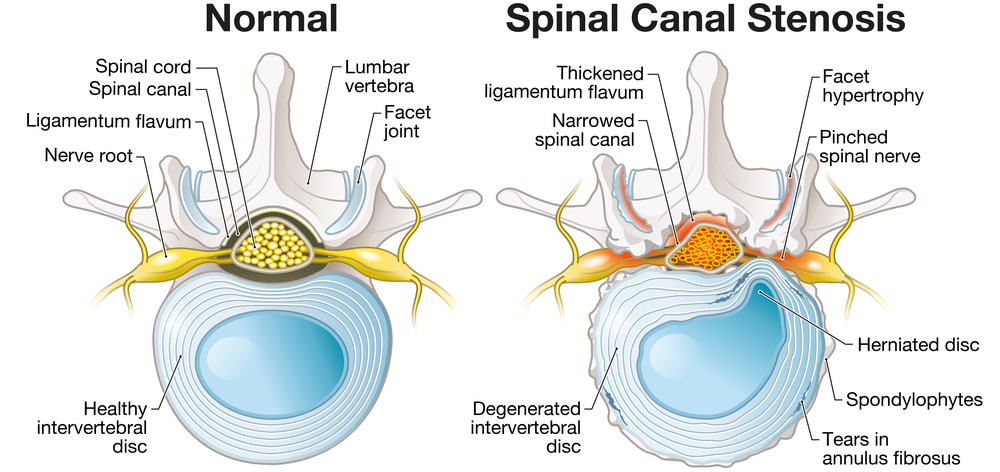
Spinal stenosis is a condition that causes the narrowing of the spaces within the spine, which can lead to pressure on the spinal cord and nerves. It often occurs in the neck or lower back and can result in symptoms like pain, numbness, and muscle weakness. For years, treatments for spinal stenosis have included conservative methods like physical therapy, pain medications, and, in more severe cases, surgery. However, as medical research advances, so do the treatment options. So, what is the newest treatment for spinal stenosis? Let’s explore the latest innovations in treating this challenging condition.
What is Spinal Stenosis?
Before diving into the newest treatments, it’s important to understand what spinal stenosis is. Simply put, spinal stenosis occurs when the spaces in the spine become narrower, which puts pressure on the spinal cord and nerves. This can happen anywhere in the spine, but it’s most common in the lower back (lumbar stenosis) and neck (cervical stenosis).
The narrowing of the spinal canal can be caused by a variety of factors, including aging, arthritis, spinal injuries, or congenital conditions. As the space narrows, the pressure on the nerves increases, leading to symptoms like:
- Pain in the back or neck
- Numbness or tingling in the legs, arms, or hands
- Muscle weakness
- Difficulty walking or balancing
For many people, these symptoms can become quite debilitating, which is why finding effective treatments is crucial.
Traditional Treatments for Spinal Stenosis
Before we discuss the newest treatments, it’s important to note the traditional methods used to manage spinal stenosis. These treatments have been the standard for many years:
- Physical Therapy: Physical therapy focuses on strengthening the muscles around the spine, improving flexibility, and reducing pressure on the nerves.
- Medications: Pain relief medications, such as nonsteroidal anti-inflammatory drugs (NSAIDs), can help reduce inflammation and manage pain.
- Steroid Injections: Injections of corticosteroids into the spine can reduce inflammation and provide temporary relief from pain and swelling.
- Surgery: In more severe cases, surgery may be necessary. Common surgeries for spinal stenosis include laminectomy (removal of part of the vertebra) or spinal fusion (joining two or more vertebrae together to stabilize the spine).
While these treatments can be effective, they don’t always provide long-term relief or come without their own risks and complications. This has driven research into finding newer, more effective, and less invasive treatments for spinal stenosis.
What Is the Newest Treatment for Spinal Stenosis?
Advances in medical technology and treatment strategies have led to several new options for treating spinal stenosis. These treatments aim to reduce pain, improve function, and delay the need for invasive surgery. So, what is the newest treatment for spinal stenosis? Let’s take a closer look at some of the most promising options:
1. Minimally Invasive Spine Surgery (MISS)
One of the newest trends in spinal stenosis treatment is the use of minimally invasive spine surgery (MISS). Unlike traditional open surgery, MISS involves making smaller incisions and using advanced imaging techniques to guide the surgeon. This results in less muscle disruption, faster recovery times, and reduced pain.
For patients with spinal stenosis, MISS can be used to remove bone spurs, disc fragments, or other sources of compression on the spinal cord and nerves. Some of the MISS procedures used to treat spinal stenosis include:
- Endoscopic Spinal Surgery: This is a minimally invasive procedure that uses a small camera and specialized tools to remove tissue pressing on the spinal cord.
- Percutaneous Spinal Fusion: A technique used to stabilize the spine by using small incisions and placing screws and rods without the need for large cuts.
2. Stem Cell Therapy
Another innovative treatment for spinal stenosis is stem cell therapy. Stem cells are cells with the ability to develop into different types of tissues, including cartilage and bone. The idea behind stem cell therapy for spinal stenosis is to inject stem cells into the damaged area of the spine, where they can help regenerate the tissues and reduce inflammation.
Although still in the early stages of development, research into stem cell therapy for spinal stenosis has shown promising results. In some cases, patients have experienced reduced pain, improved mobility, and even a reversal of some of the damage caused by stenosis. As research continues, stem cell therapy may become a viable option for patients looking for non-surgical treatments.
3. Biologics and Platelet-Rich Plasma (PRP) Injections
Biologics are another cutting-edge treatment that is showing promise for spinal stenosis. These treatments use biological materials, such as proteins or cells, to promote healing and reduce inflammation. One example is platelet-rich plasma (PRP) therapy.
PRP therapy involves drawing a small amount of the patient’s blood, processing it to concentrate the platelets, and then injecting the concentrated platelets into the affected area of the spine. Platelets contain growth factors that help stimulate tissue repair and reduce inflammation. For patients with spinal stenosis, PRP injections can help reduce pain, improve function, and delay the need for surgery.
4. Laser Spine Surgery
Laser spine surgery is another relatively new procedure used to treat spinal stenosis. During this minimally invasive procedure, a laser is used to remove or shrink tissue that is compressing the spinal cord or nerves. Laser surgery can be used to treat a variety of spine-related issues, including spinal stenosis.
The benefits of laser spine surgery include smaller incisions, reduced blood loss, and a quicker recovery time. It’s also less invasive than traditional surgery, which can make it an appealing option for patients who want to avoid the risks associated with more invasive procedures.
5. Spinal Decompression Therapy
Spinal decompression therapy is a non-surgical treatment that involves stretching the spine to relieve pressure on the discs and nerves. While this treatment has been around for a while, recent advancements in technology have made it more effective. The latest spinal decompression machines use computerized systems to apply precise amounts of force to the spine, gently stretching it and helping to alleviate the pressure that causes pain.
Spinal decompression therapy is often used in combination with other treatments, such as physical therapy or medications, to provide the best results. It is especially beneficial for patients with mild to moderate spinal stenosis who want to avoid surgery.
6. Artificial Disc Replacement
In cases where the spinal stenosis is caused by disc degeneration, artificial disc replacement (ADR) may be an option. ADR involves replacing a damaged disc in the spine with an artificial one made of metal or plastic. This can help restore normal movement to the spine and alleviate the pressure on the spinal cord or nerves.
While ADR has been around for some time, recent advancements have made it a more effective option for treating spinal stenosis. Newer artificial discs are more durable, and the surgery is less invasive than traditional spinal fusion. ADR can provide significant pain relief and improve function in patients with degenerative disc disease or spinal stenosis.
FAQs
1. What is the newest treatment for spinal stenosis?
The newest treatments for spinal stenosis include minimally invasive spine surgery (MISS), stem cell therapy, platelet-rich plasma (PRP) injections, laser spine surgery, spinal decompression therapy, and artificial disc replacement. These treatments focus on reducing pain, improving mobility, and avoiding the need for more invasive procedures.
2. How effective is stem cell therapy for spinal stenosis?
Stem cell therapy shows promise in treating spinal stenosis, with some patients reporting reduced pain and improved mobility. However, it is still in the experimental stages, and more research is needed to determine its long-term effectiveness.
3. What is laser spine surgery?
Laser spine surgery is a minimally invasive procedure where a laser is used to remove or shrink tissue pressing on the spinal cord or nerves. It offers benefits such as smaller incisions, reduced blood loss, and a quicker recovery time.
4. Is spinal decompression therapy effective for spinal stenosis?
Yes, spinal decompression therapy can be effective for patients with mild to moderate spinal stenosis. It works by gently stretching the spine to relieve pressure on the discs and nerves, which can help reduce pain and improve mobility.
5. Are there any non-surgical treatments for spinal stenosis?
Yes, non-surgical treatments for spinal stenosis include physical therapy, medications, steroid injections, and spinal decompression therapy. These can help manage symptoms and reduce the need for surgery.
Conclusion: A Bright Future for Spinal Stenosis Treatment
So, what is the newest treatment for spinal stenosis? As we’ve seen, there are many exciting advancements in the treatment of spinal stenosis, ranging from minimally invasive surgeries to cutting-edge therapies like stem cell injections and PRP treatments. These new options offer hope for patients seeking relief from pain and other symptoms without resorting to traditional surgery. As technology and research continue to evolve, we can expect even more innovative treatments to emerge, providing better outcomes and faster recoveries for people with spinal stenosis.
If you or a loved one is dealing with spinal stenosis, it’s essential to consult with a healthcare provider to explore the best treatment options. With these newer treatments available, there’s a good chance that relief is closer than you think.