Car troubles can be a real headache, especially when you’re ready to go, you turn the key, and—nothing! Your car won’t start, but all the lights come on. This situation is surprisingly common, and there can be multiple causes behind it. This article will take you through the possible reasons why this might be happening, how to diagnose it, and when it’s time to call in the professionals. Let’s dive in to help you get back on the road as soon as possible!
What It Means When Your Car Won’t Start but All the Lights Come On
When you try to start your car, and all the lights on the dashboard come on, it typically means your battery isn’t completely dead. In most cases, a dead battery results in no lights or minimal electrical function. So, if your lights, radio, or other electronics are working, the issue is likely elsewhere. Common causes include problems with the starter, ignition switch, battery connections, or fuses.
Possible Reasons When Your Car Won’t Start but All the Lights Come On
Let’s look at some of the main reasons behind this issue and the signs to look out for to help you diagnose it.
1. Faulty Starter Motor
The starter motor is responsible for cranking your engine when you turn the key. If it’s faulty, your car won’t start even though the lights are on.
Signs of a Faulty Starter Motor
- A clicking noise when you turn the key.
- The engine doesn’t turn over at all.
- Your lights dim slightly when you try to start.
Solution: If you suspect the starter is the issue, you’ll need a mechanic to inspect and possibly replace it.
2. Weak or Discharged Battery
While the lights may come on, they don’t require as much power as starting the engine. A weak or partially discharged battery might have enough juice to power the lights but not enough to start the engine.
Signs of a Weak Battery
- Dim lights or dashboard lights flickering.
- A slow or “chugging” sound when trying to start the car.
- Lights may dim further when you try to start the car.
Solution: Check your battery connections, and if they’re secure, try jump-starting your vehicle. If it starts with a jump, a battery replacement may be in order.
3. Loose or Corroded Battery Connections
Loose or corroded connections can interrupt the flow of electricity to the starter motor, causing the car not to start.
Signs of Battery Connection Issues
- Visible corrosion on battery terminals (a white or greenish substance).
- Battery cables feel loose or move easily.
- Intermittent electrical issues.
Solution: Clean the battery terminals and tighten any loose connections. You can use a wire brush or a specialized battery cleaning tool.
4. Malfunctioning Ignition Switch
The ignition switch sends the signal to your car’s starter. If it’s malfunctioning, it might prevent your engine from starting even though other electrical functions (like the lights) work.
Signs of a Bad Ignition Switch
- Lights on the dashboard might flicker.
- You may need to jiggle the key to get any response.
- The car may start intermittently.
Solution: Replacing the ignition switch will likely require a professional, as it involves electrical components.
5. Blown Fuses
Sometimes, a blown fuse can prevent the car from starting. While this is less common, it’s worth checking, especially if there’s no sound when you turn the key.
Signs of a Blown Fuse
- No sound at all when you turn the key.
- Certain functions (like lights or radio) may not work.
Solution: Consult your car’s manual to locate and inspect the fuses. If a fuse is blown, replacing it is often an easy fix.
6. Issues with the Anti-Theft System
Modern cars often come equipped with anti-theft systems that can prevent the engine from starting if they detect an issue. Sometimes, these systems can malfunction, leaving you unable to start your car.
Signs of Anti-Theft System Problems
- A flashing security light on the dashboard.
- A rapid clicking noise when you try to start.
- The key fob doesn’t work or is unresponsive.
Solution: Try using a spare key or reset the anti-theft system according to your vehicle’s manual.
7. Faulty Neutral Safety Switch
In automatic cars, the neutral safety switch prevents the engine from starting unless the car is in park or neutral. If this switch is faulty, the car won’t start even though the lights are working.
Signs of a Bad Neutral Safety Switch
- Car starts intermittently.
- It may start in neutral but not in park (or vice versa).
Solution: A faulty neutral safety switch usually requires replacement by a mechanic.
How to Diagnose the Problem When Your Car Won’t Start but All the Lights Come On
Let’s break down the steps to diagnose this issue at home.
Step 1: Check for Warning Lights
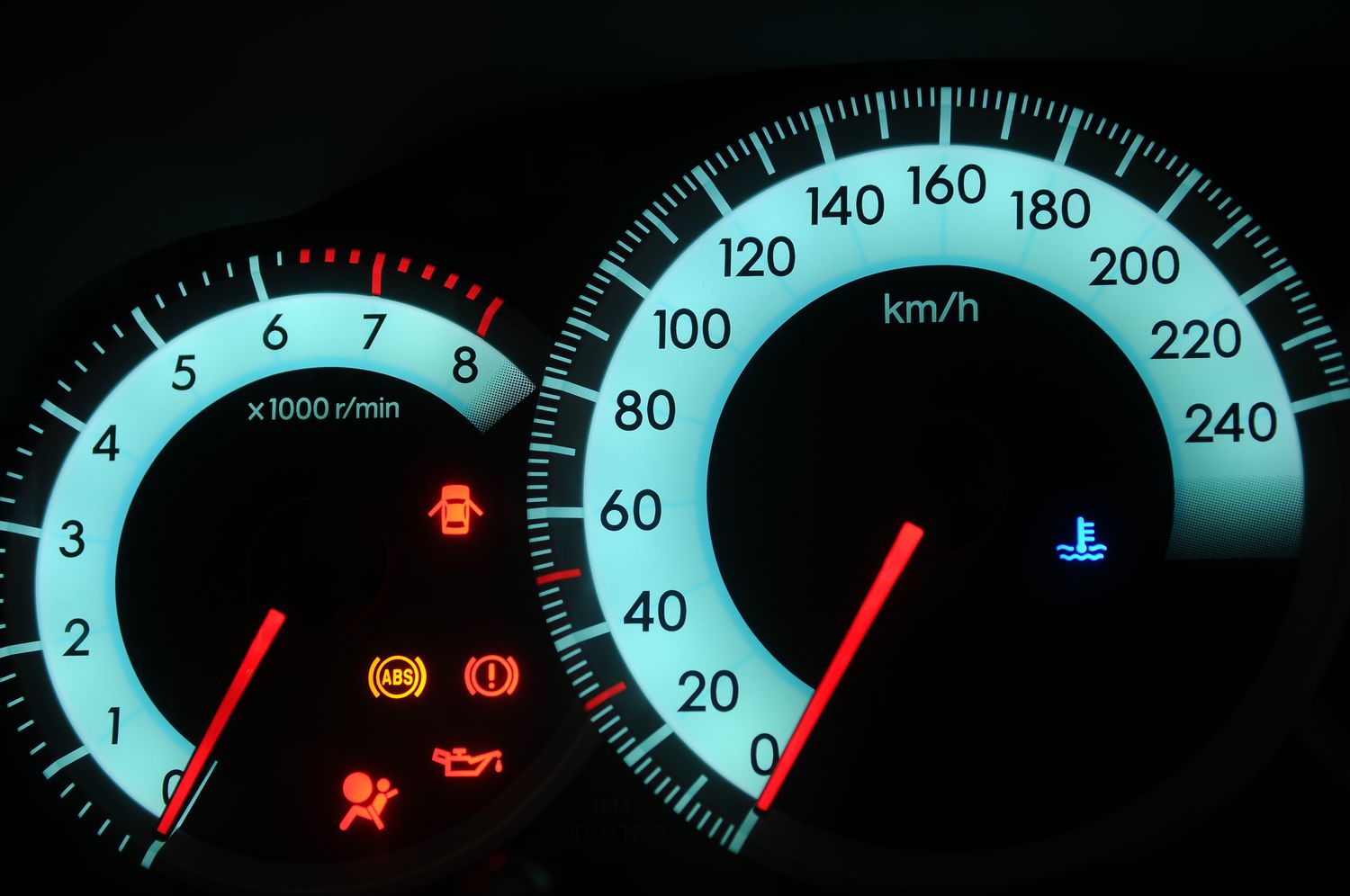
When the lights come on but the car won’t start, check for any warning lights that may be flashing on your dashboard. Lights like the battery, oil, or engine light could provide clues.
Step 2: Listen for Sounds
Listen closely when you turn the key:
- Clicking Sound: Likely indicates a battery or starter issue.
- No Sound: Could mean an issue with the ignition switch or neutral safety switch.
Step 3: Inspect the Battery and Cables
Check for any corrosion or looseness around the battery terminals. If the connections are dirty or corroded, clean them and tighten any loose cables.
Step 4: Try Jump-Starting the Car
If you suspect the battery might be weak, try jump-starting the vehicle. If it starts, you probably need a new battery.
Step 5: Test the Fuses
Locate your car’s fuse box and look for any blown fuses. Replace any blown fuses with a matching one from your local auto store.
Preventative Maintenance Tips to Avoid Starting Issues
To help prevent future situations where your car won’t start but all the lights come on, consider following these maintenance tips:
- Regularly Test Your Battery: Many auto parts stores will test your battery for free.
- Clean Your Battery Terminals: Corrosion can cause poor connections, so keep terminals clean.
- Inspect and Replace Old Parts: Components like the starter and ignition switch wear out over time.
- Keep Your Anti-Theft System Key Fobs in Good Shape: Change the batteries in key fobs regularly.
- Service Your Vehicle Regularly: Routine inspections can catch issues before they become bigger problems.
Frequently Asked Questions
Here are some FAQs that might help answer additional questions about when your car won’t start but all the lights come on.
1. Why does my car have power, but it won’t start?
If your car has power (lights and accessories work) but won’t start, it’s often due to a weak battery, faulty starter motor, or a problem with the ignition switch.
2. Can a weak battery still power the lights but not start the car?
Yes, lights and other low-power electronics may still work with a weak battery, but starting the engine requires more power than the battery can provide.
3. How can I tell if my starter motor is the problem?
If you hear a clicking noise when turning the key or if the engine doesn’t crank at all, your starter motor may be the culprit.
4. What should I do if cleaning the battery terminals doesn’t fix the problem?
If cleaning the terminals doesn’t work, your battery may be too weak or there may be an issue with the ignition switch or starter motor.
5. Can I start my car without fixing the anti-theft system?
If the anti-theft system is the issue, resetting it may help. However, if it’s malfunctioning, consult your vehicle’s manual or seek professional assistance.
Conclusion
When your car won’t start but all the lights come on, it can be frustrating and confusing. By following the steps outlined above, you should be able to diagnose and potentially fix the issue. Often, the problem is something simple, like a weak battery or loose connection, but sometimes it may require professional help.
Understanding why your car won’t start when all the lights come on can help you avoid unnecessary stress and get you back on the road quickly.