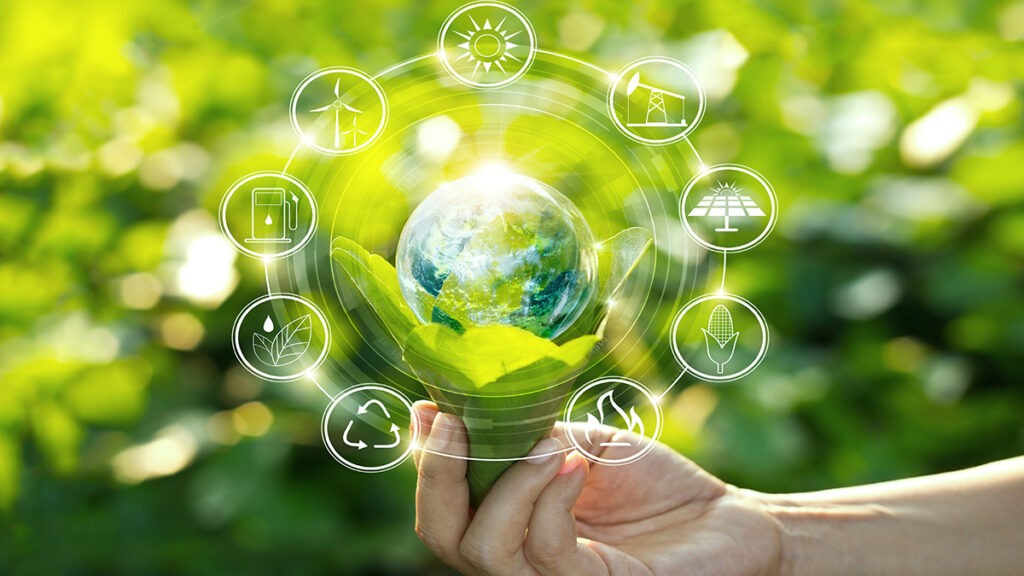
Living in today’s fast-paced world often makes it hard to see how much of an impact our daily lives have on the planet. From how we travel to the way we shop, everything we do adds up. The encouraging part is that technology is stepping in to change the way we live and helping us make more eco-conscious choices without having to completely alter our routines. Understanding how technology is helping us go green not only highlights the innovations shaping a sustainable future but also shows how individuals can make simple adjustments that collectively make a big difference.
Smarter energy consumption
One of the biggest changes technology has brought into our lives is the ability to monitor and control how much energy we use. Smart meters, for example, are now common in many households across the UK. These devices give real-time insights into energy consumption, allowing families to see where electricity is wasted and make instant adjustments.
It is no longer guesswork; homeowners can see whether leaving appliances on standby is costing more than expected or if heating is being used inefficiently. The shift towards smart energy management has encouraged households to cut down unnecessary use, leading to lower bills and reduced carbon footprints.
In addition, smart thermostats such as Nest and Hive have transformed heating and cooling systems. They learn our daily routines and adjust temperatures accordingly, ensuring energy is not wasted when no one is home. The combination of user-friendly apps and automation shows clearly how technology is helping us go green while making everyday life more comfortable.
Transport and the electric revolution
Transport remains one of the largest contributors to carbon emissions worldwide, but once again, technology is reshaping the picture. Electric vehicles are no longer considered futuristic; they are fast becoming the norm on UK roads. Charging stations are popping up across towns and cities, making it easier for drivers to make the switch.
Beyond personal cars, public transport systems are also embracing green technologies. Electric buses and hybrid trains are gradually replacing older, less efficient fleets. Apps now allow passengers to plan journeys in real time, reducing wasted trips and cutting down fuel use.
For those living in urban areas, e-scooters and shared bike schemes provide another eco-friendly alternative. These smart mobility solutions reduce reliance on traditional fuel-powered vehicles and promote healthier, more sustainable ways of commuting.
The transition in transport perfectly illustrates how technology is helping us go green, as both large-scale government initiatives and small everyday choices are supported by innovative tools.
Waste reduction through innovation
Technology is also tackling one of the trickiest environmental issues: waste. From food waste apps to recycling trackers, digital solutions make it easier for people to live more responsibly. In many UK cities, apps are available that connect users to restaurants or supermarkets offering discounted surplus food, reducing the amount that ends up in landfill.
Recycling has also become more efficient thanks to AI-driven sorting systems. These machines can now recognise and separate materials at a much faster rate than humans, improving recycling rates and reducing contamination. For consumers, barcode scanning apps help identify whether packaging is recyclable in their area, ensuring fewer mistakes at the bin.
Another innovation lies in sustainable materials. While plastics remain a major problem, we are seeing a rise in eco-friendly alternatives such as bamboo toilet rolls, which replace traditional paper with a renewable resource. This shift shows that technology and sustainability often work hand in hand, creating alternatives that are kinder to the planet without compromising on quality.
Smart homes for a sustainable lifestyle
The idea of smart homes is no longer just about convenience. Today’s connected devices have sustainability built into their very design. Smart lighting, for example, uses LED bulbs that consume far less power than older halogen or incandescent lights. When paired with sensors, they switch off automatically when a room is empty, cutting unnecessary energy use.
Water-saving devices are another advancement. Smart irrigation systems use weather data to adjust how much water is needed for gardens, while smart taps and showers track usage to prevent waste. The result is a home that is not only modern but also mindful of resources.
Technology in the kitchen has also played its part. Energy-efficient appliances, such as fridges with precise cooling systems and ovens that heat more quickly, save both time and energy. Meanwhile, sustainable packaging and products, including items like bamboo tissue, are becoming more widely available, blending naturally into everyday life.
The role of businesses and industries
It is not only households making changes. Businesses across industries are embracing technologies designed to lower emissions and promote greener practices. Manufacturing companies are adopting cleaner production methods, relying on renewable energy and advanced recycling systems to reduce waste.
E-commerce platforms are also optimising delivery routes using AI, cutting down fuel consumption for logistics. Even the finance industry has entered the conversation, with green investment apps guiding consumers towards more sustainable portfolios.
For office workers, remote technology has been transformative. Virtual meetings, cloud storage, and digital collaboration tools have reduced the need for commuting and paper-based operations, significantly lowering the environmental impact of traditional business models.
These collective shifts emphasise once again how technology is helping us go green, not just on an individual scale but across society as a whole.
Everyday products making a difference
Beyond the big innovations, it is worth noting how everyday household products have also evolved. Technology has enabled the development of eco-friendly items that are both practical and sustainable. One example is bamboo kitchen rolls, which are stronger and longer-lasting than traditional alternatives, helping to reduce waste over time.
Other products, such as biodegradable cleaning supplies, compostable packaging, and refillable personal care items, are also emerging. Many of these products exist because technology has advanced to a point where greener production methods are both possible and affordable.
The ability to replace small items in our homes with sustainable versions may seem minor, but the collective effect is powerful. It demonstrates how innovation touches every aspect of life, from our homes to our shopping habits.
Technology and renewable energy
Renewable energy is one of the clearest examples of technology’s role in creating a sustainable future. Solar panels, wind turbines, and hydropower systems are now far more efficient than they were even a decade ago.
Smart grids are being developed to ensure that renewable power is distributed effectively and stored for future use. Battery technology is also advancing, allowing excess renewable energy to be saved rather than wasted.
As the UK continues its journey towards net zero targets, the role of renewable energy remains central, supported entirely by technological progress. This is perhaps the most powerful example of how technology is helping us go green at scale, reshaping entire energy systems for the better.
Looking to the future
As we look ahead, it is clear that the pace of innovation will only continue to grow. Artificial intelligence, automation, and data-driven insights are expected to play even bigger roles in the fight against climate change. From predicting weather patterns more accurately to managing urban infrastructure, the possibilities are vast.
While the future is promising, the role of individuals should not be underestimated. Embracing new technologies, choosing sustainable products, and staying mindful of daily habits all contribute to building a greener planet. It is the combination of small and large actions, supported by innovation, that will truly make the difference.
Conclusion
From smarter homes and greener transport to waste reduction and renewable energy, the examples are countless. Each of these innovations provides a clear picture of how technology is helping us go green, shaping a more sustainable future that benefits both people and the planet.
The beauty of these changes is that they fit naturally into our daily lives. We do not need to completely transform the way we live; instead, we can make use of tools and products designed to support a healthier environment. With the right balance of innovation and individual responsibility, we can all play our part in creating a greener tomorrow.