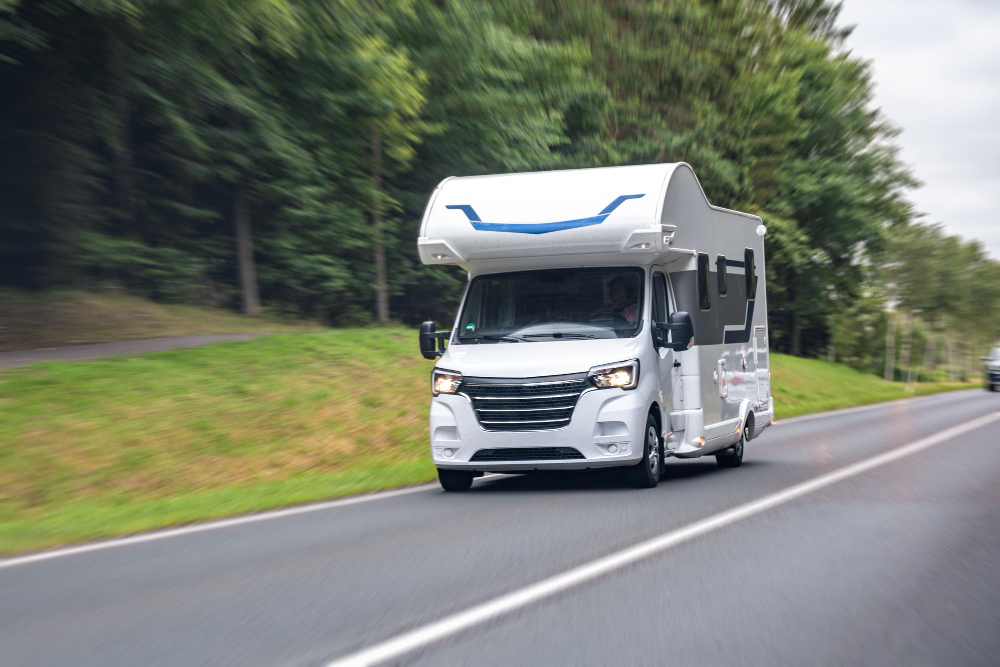
Buying a used caravan is not always as simple as it may seem. Photos may look appealing, but they do not always provide a clear picture of the caravan’s condition. Prices can also vary significantly between similar models. Without knowing what to check, you could focus too much on appearance and overlook age, condition, layout, or park-related costs.
It’s better to compare each caravan with your real-life requirements. Start with your budget and preferred location. Then evaluate the caravan’s condition, size, features, age, and overall value. It is also important to know what you are getting with the purchase and what expenses there may be after purchasing.
Here is how to find a quality used caravan that suits your budget, lifestyle, and UK holiday plans.
Set Your Caravan Budget
Before you search for caravans for sale, decide how much you can comfortably spend. The acquisition cost of a house is just one of the elements of ownership. In addition, you might have to consider site fees, utilities, insurance, maintenance, and other park fees.
Your budget should reflect how you plan to use the caravan. A couple who take short breaks may have different needs from a family that visits throughout the school holidays. Therefore, additional features or number of bedrooms are worth paying more for only if they are going to benefit you when using the caravan itself.
Leave some room in your budget for unexpected expenses. A well-maintained older caravan can offer excellent value, while a cheaper model may need immediate repairs. By doing so, and considering the total cost rather than a price, you can avoid overpaying later on.
Check Caravan Age and Condition
Start with the exterior before you focus on the interior. Look for signs of water damage, damaged panels, worn seals, soft areas, or poor repairs. Pay close attention around windows, doors, roof joints, and other areas where moisture can cause problems. Small signs of damage can point to larger maintenance issues, so do not overlook minor defects.
Inside the caravan, inspect walls, ceilings, floors, cupboards, and upholstery. Check for damp smells, staining, discoloration, or unusual softness underfoot. Open doors and drawers to make sure they work properly. Test visible fixtures and appliances where possible.
Ask for details about the caravan’s history. Find out its age, previous use, service records, and known repairs. A well-maintained older caravan can be a better choice than a newer model that has received little care. Clear maintenance records can give you greater confidence in the caravan’s condition and expected future costs.
Choose Right Size and Layout
Think about who will use the caravan before choosing a floor plan. A two-bedroom static caravan may suit a couple or small family, while a three-bedroom model can provide more flexibility for larger families or guests.
Consider how you use each room during a normal holiday. A practical kitchen, comfortable seating area, adequate storage, and a well-positioned bathroom can make a noticeable difference. Look beyond decorative finishes and focus on features that support your routine.
Storage also deserves close attention. Holiday homes can become cluttered when you bring clothing, food, outdoor equipment, and personal items. Check wardrobes, kitchen cabinets, under-seat storage, and other spaces before making your decision.
Find Suitable Holiday Parks
The caravan is only one part of what you are buying. You also need to assess the holiday park and its surrounding area. Consider travel distance, local attractions, beaches, countryside, shops, and other places you expect to visit during your breaks. A convenient location can make regular weekend trips easier and more enjoyable.
Park facilities can influence your experience just as much. Depending on your priorities, you may want access to swimming pools, entertainment, restaurants, children’s activities, sports facilities, or quieter outdoor spaces. Make sure the park suits the type of holidays you want. Think about which facilities you and your family are most likely to use during each visit.
Check the park’s rules before committing to a purchase. Ask about permitted seasons, caravan age limits, subletting, pets, visitors, and other restrictions. Confirm site fees and park-specific charges so you understand the ongoing cost of ownership. Knowing these terms in advance can help you avoid unexpected restrictions or expenses later.
Compare Caravan Prices and Features
Avoid judging value from the asking price alone. Two used static caravans with similar dimensions can have very different values because of age, manufacturer, condition, location, and specification. A newer model may not always offer better value if an older caravan has been well maintained and sits in a desirable park.
Compare several similar caravans before making an offer. Look at models with comparable bedroom numbers, ages, features, and locations. Comparing like-for-like options can show whether a price is reasonable for the caravan and its setting. Pay attention to differences in furnishings, appliances, park facilities, and overall condition when comparing listings.
Ask exactly what the advertised price includes. Some purchases may involve additional costs related to site fees, transfer arrangements, insurance, delivery, or other services. Understanding the complete financial picture makes it easier to compare options fairly.
Verify Details Before Purchase
Prepare a list of questions before you contact a seller or holiday park. Ask about the caravan’s age, condition, ownership history, annual site fees, running costs, and recent repairs. You should also ask how long the caravan can remain on the park.
Clarify the purchase process and any paperwork you will need. Find out whether you are buying the caravan only or entering an agreement with the holiday park as part of the purchase. Written information can help you avoid misunderstandings later.
Arrange a viewing whenever possible. Walk through the caravan at your own pace and inspect areas that photographs may not show clearly. If you are unsure about its condition, consider getting professional advice before committing. A careful inspection can help you identify genuine value and avoid costly surprises.
Conclusion
Finding a quality used caravan in the UK requires more than choosing an attractive model at a low price. Check the caravan’s age, condition, layout, storage, and features. Then assess the holiday park, location, site fees, rules, facilities, and total ownership costs. Comparing similar caravans will also give you a clearer idea of fair value.
Start with a realistic budget and a short list of must-have features. Compare suitable models, ask detailed questions, and arrange a thorough viewing before you buy. Take time to understand the park’s terms as well. A careful approach can help you choose a used static caravan that fits your needs and provides a comfortable base for UK holidays.


