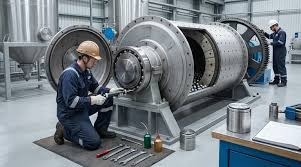
In any cement, mining, or mineral processing plant, the Ball mill is the heart of the grinding system. When it runs smoothly, production flows and quality stays consistent. But when problems appear, even small issues can quickly turn into costly downtime. That is why understanding common Ball mill problems and knowing how to fix them is essential for every operator and maintenance engineer. With the right approach and reliable partners like Cementl, many of these issues can be prevented before they affect output.
Why Regular Ball Mill Maintenance Matters
A Ball mill works under heavy loads, high temperatures, and continuous operation. Over time, wear and tear are unavoidable. Ignoring early warning signs often leads to sudden failures, expensive repairs, and lost production. A strong maintenance routine keeps the Ball mill efficient, extends equipment life, and protects your investment. Cementl emphasizes preventive care in its grinding solutions, helping plants achieve long-term stability and lower operating costs.
Abnormal Noise and Vibration in the Ball Mill
One of the most common signs of trouble in a Ball mill is unusual noise or vibration. A healthy mill has a steady, rhythmic sound. Loud impacts, grinding noises, or shaking usually indicate loose liners, worn bearings, or improper ball loading. These issues not only reduce grinding efficiency but can also damage the shell if left unchecked.
The solution starts with inspection. Checking liner tightness, monitoring bearing temperature, and ensuring proper lubrication can eliminate most vibration problems. Cementl designs its Ball mill components for durability and easy inspection, making it simpler for maintenance teams to detect and fix issues early.
Reduced Grinding Efficiency and Low Output
When a Ball mill fails to reach its expected capacity, the problem is often hidden inside the grinding chamber. Worn grinding media, incorrect ball size distribution, or clogged separators can all lead to poor performance. Material may pass through without being properly ground, affecting both productivity and product quality.
To solve this, operators should regularly evaluate the condition of the balls and replace them when necessary. Maintaining the right mix of ball sizes helps ensure efficient crushing and fine grinding. Cementl supports customers with optimized media selection and process guidance, allowing each Ball mill to operate at its best.
Excessive Wear of Liners and Grinding Media
Liner and media wear is unavoidable, but excessive wear usually points to operational problems. High feed hardness, incorrect mill speed, or improper loading can accelerate damage. When liners wear too fast, the Ball mill loses its protective layer, increasing the risk of shell damage and unplanned shutdowns.
The key solution is to monitor wear patterns and adjust operating parameters accordingly. Using high-quality liners from trusted suppliers like Cementl can significantly improve service life. Their materials are engineered to resist impact and abrasion, reducing replacement frequency and maintenance cost.
Overheating and Lubrication Failures
Overheating bearings or gear systems are serious warning signs in any Ball mill. Poor lubrication, contaminated oil, or blocked cooling systems can quickly lead to component failure. High temperatures not only damage parts but also increase energy consumption and reduce efficiency.
A proper lubrication schedule is critical. Regular oil analysis helps detect contamination or degradation before damage occurs. Cementl integrates reliable lubrication systems into its Ball mill designs, making temperature control and oil distribution more consistent even under heavy-duty operation.
Material Blockage and Feeding Problems
Inconsistent feeding is another common challenge. When material builds up or feeds unevenly, the Ball mill can become overloaded, causing power spikes and unstable operation. Moist or sticky materials are especially prone to blockage, leading to reduced throughput.
The solution lies in maintaining proper feed systems and monitoring moisture levels. Operators should ensure feeders are calibrated and chutes are clean. Cementl provides feeding and discharge solutions designed to work smoothly with each Ball mill, helping maintain stable flow and consistent grinding performance.
Drive System Issues and Power Fluctuations
The drive system is the backbone of the Ball mill. Problems such as motor overheating, gearbox noise, or unstable power draw often signal misalignment or internal wear. If ignored, these issues can result in complete drive failure and long shutdowns.
Routine alignment checks and vibration monitoring are effective ways to prevent drive problems. With Cementl’s precision-engineered drive components, many plants achieve smoother power transmission and reduced mechanical stress, extending the life of critical parts.
Building a Practical Ball Mill Maintenance Routine
A strong maintenance checklist focuses on daily observation, weekly inspections, and planned shutdown servicing. Listening for unusual sounds, checking temperatures, and monitoring power consumption can reveal problems early. Scheduled liner checks, lubrication management, and media replacement keep the Ball mill operating efficiently throughout its service life.
By combining good operating discipline with quality equipment from Cementl, plants can transform maintenance from a reactive task into a proactive strategy that protects productivity.
Conclusion: Keeping Your Ball Mill Running at Its Best
Common Ball mill problems are part of any grinding operation, but they do not have to disrupt your plant. With regular inspection, timely maintenance, and a clear understanding of warning signs, most issues can be solved before they escalate. A well-maintained Ball mill delivers consistent output, lower operating costs, and longer equipment life.
Partnering with experienced suppliers like Cementl adds another layer of confidence, ensuring your Ball mill is backed by durable components, expert support, and proven design. In the end, a smart maintenance checklist is not just about fixing problems, it is about keeping your grinding system strong, reliable, and ready to meet production goals every day.